How I Got 100,000 Clippers
And Made $450k+ From a Clipping Agency
in My First Year
Prefer to watch? Full video walkthrough above. Keep scrolling for the written version.
Eddie Cumberbatch
2026
Claim your scholarship and get access to my $3,000 agency program for FREE
For Brands: work with my agency
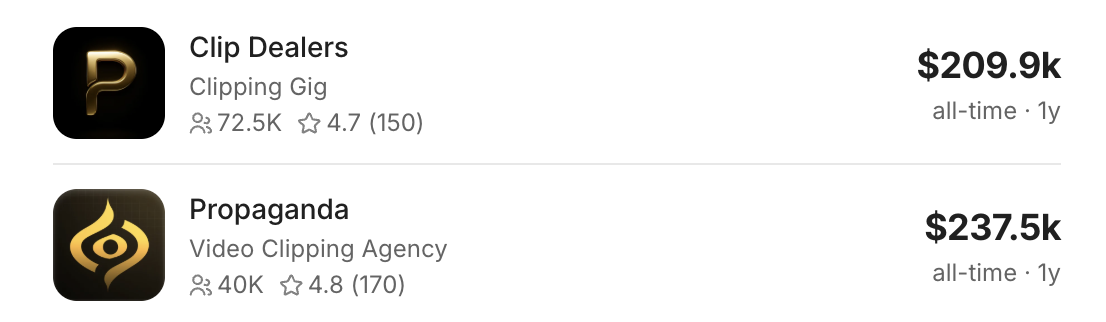
I made $450,000 from a clipping agency in my first year. I didn’t post a single video to do it.
No face on camera. No personal brand.
I built an agency that runs on other people’s content, other people’s accounts, for other people’s brands. I was just the man in the middle.
The agency is called Propaganda. Year one:
- $450k+ in revenue
- 100,000+ clippers across two Whop communities
- $600k+ in client spend managed
- 5B+ views for brands
Why I’m making this free doc
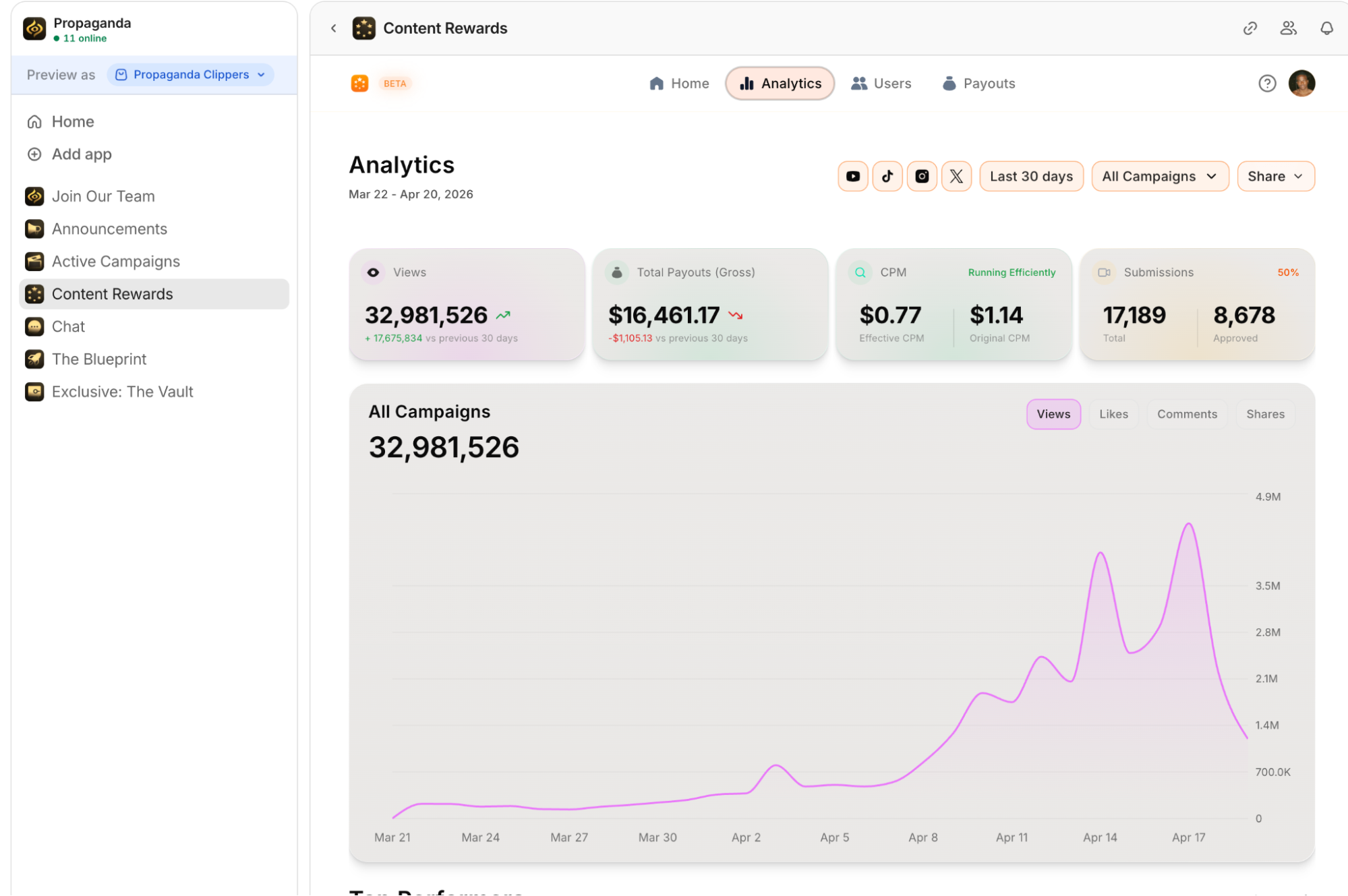
Content Rewards is the platform this whole clipping economy runs on. It only launched about a year ago.
I’ve been building Propaganda alongside Whop since day one. I watched the infrastructure get built in real time.
Now I'm partnered with the Content Rewards team directly and they told me they need more high quality agencies.
If there are agencies on the platform that suck at what they do it makes it harder for the whole industry to grow.
If a big brand has a bad experience running a clipping campaign with an agency, it’s likely they won’t run a campaign again AND they will tell their friends they had a bad experience.
My job now is to make sure anyone starting a clipping agency actually knows what they are doing.
Who this is for
- People who want to build a clipping agency
- People who tried SMMA, dropshipping, or other business models that didn’t stick
- People who want to see how a real clipping agency runs day to day
Who this isn’t for
- Brands who want to hire a clipping agency — go to propgda.com instead
- People looking for a get-rich-quick thing
- People not willing to put in the work to build a real business
- People looking for a side hustle. Running a clipping agency isn’t a side hustle. If you want a side hustle become a clipper.
Why the timing matters
Clipping just got its first Digiday writeup as a real marketing channel. Digiday is the main trade publication for digital marketing — when they cover something, the industry sees it as a real category now.
That’s about where Facebook Ads was in 2007. One year later, Facebook went from $153M a year in ad revenue to $195B.
I’m not saying clipping will be Facebook Ads. I am saying we’re early. I’ve been building through the first twelve months of it.
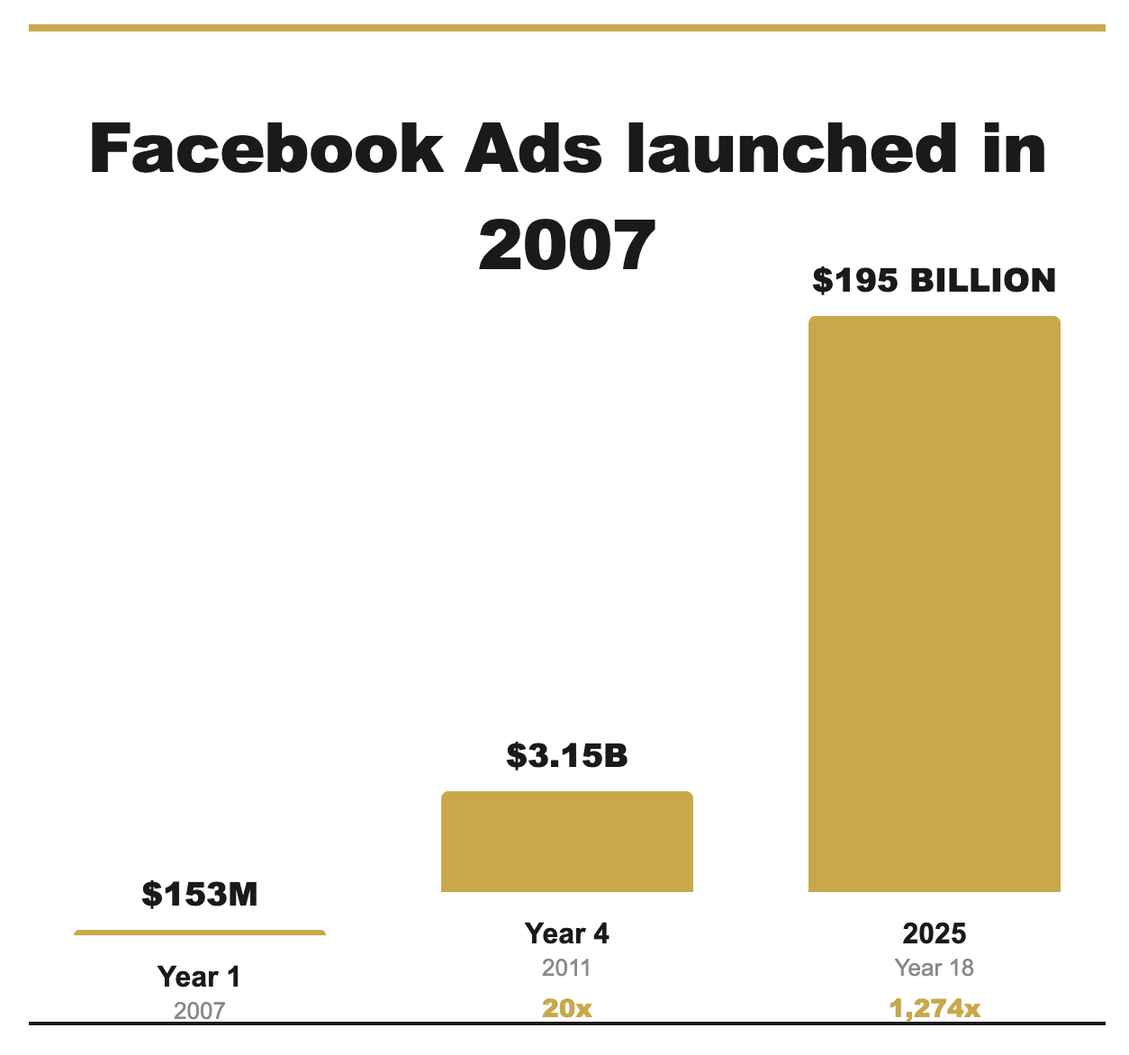
Facebook Ads 1,274x growth chart
Why This Model Beats Everything Else
Most people still think clipping is a TikTok side hustle. Teens cutting up Kai Cenat streams. Not a real business.
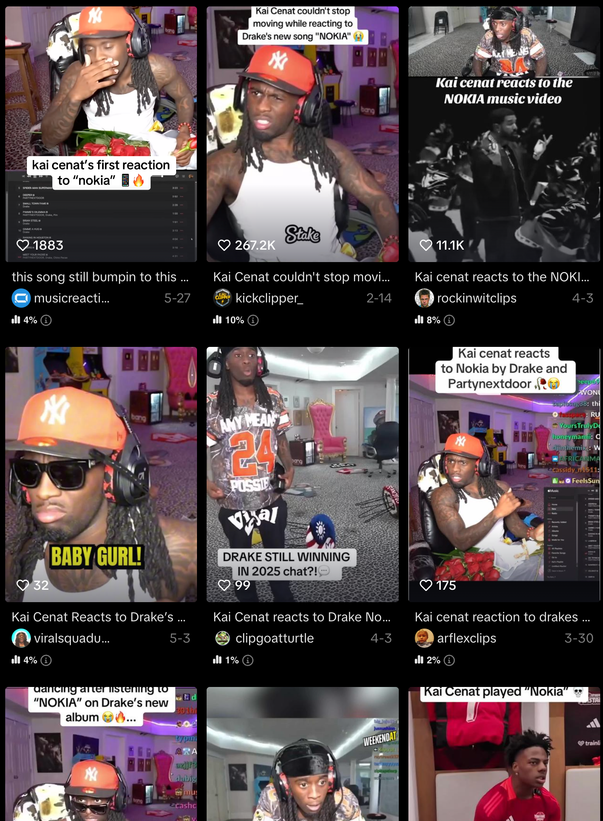
They’re wrong. Same way people were wrong about Facebook Ads in 2008.
What It Actually Is
Three parts. That’s it.
- The brand — has the content and the money
- The clipper — has time, editing skill, and social accounts
- The platform (Whop’s Content Rewards) — tracks views, pays clippers, catches fraud
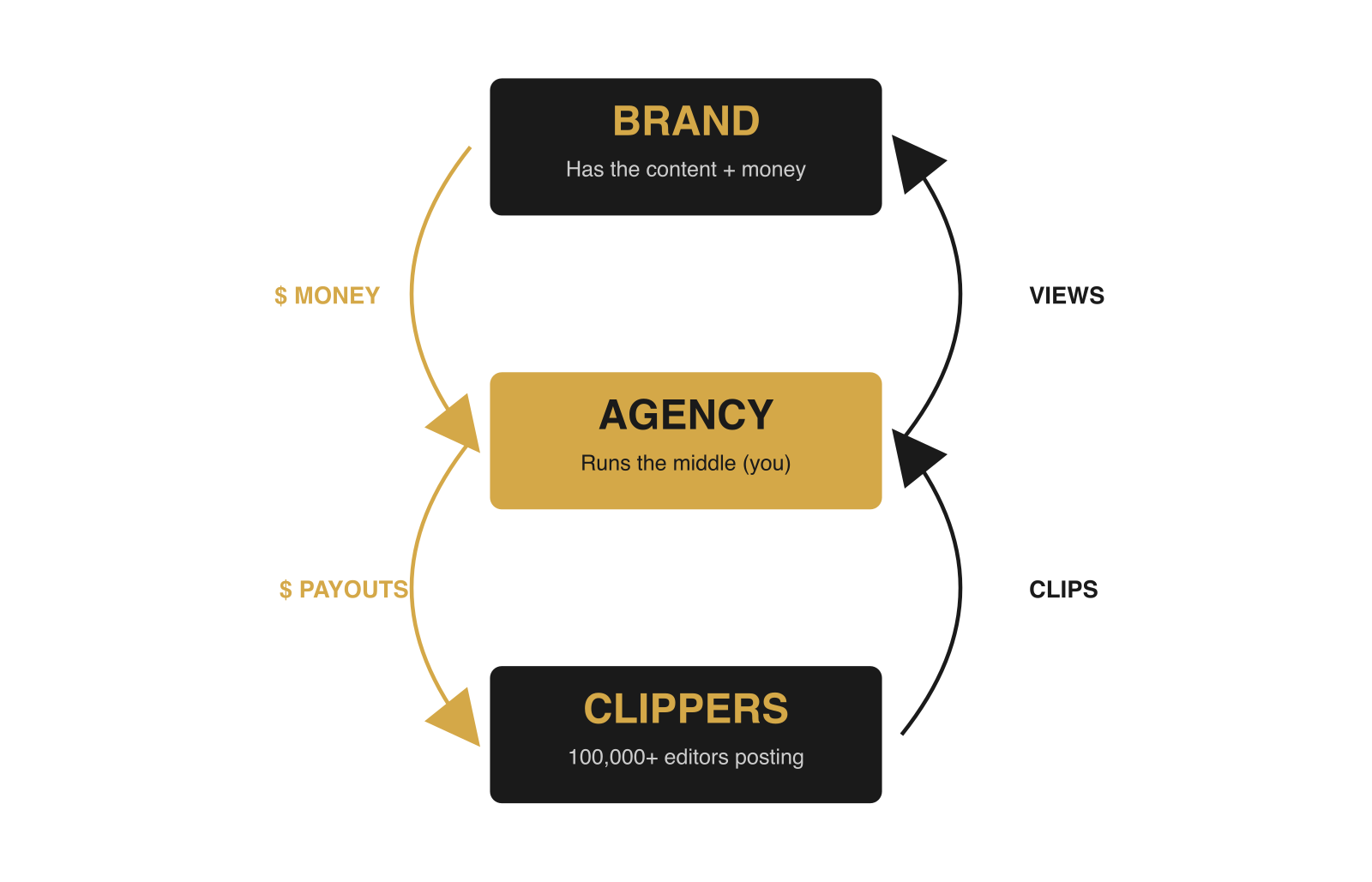
The agency sits in the middle. We find the brand. Run the campaign. Manage the clippers. Report the numbers.
Why Brands Actually Pay
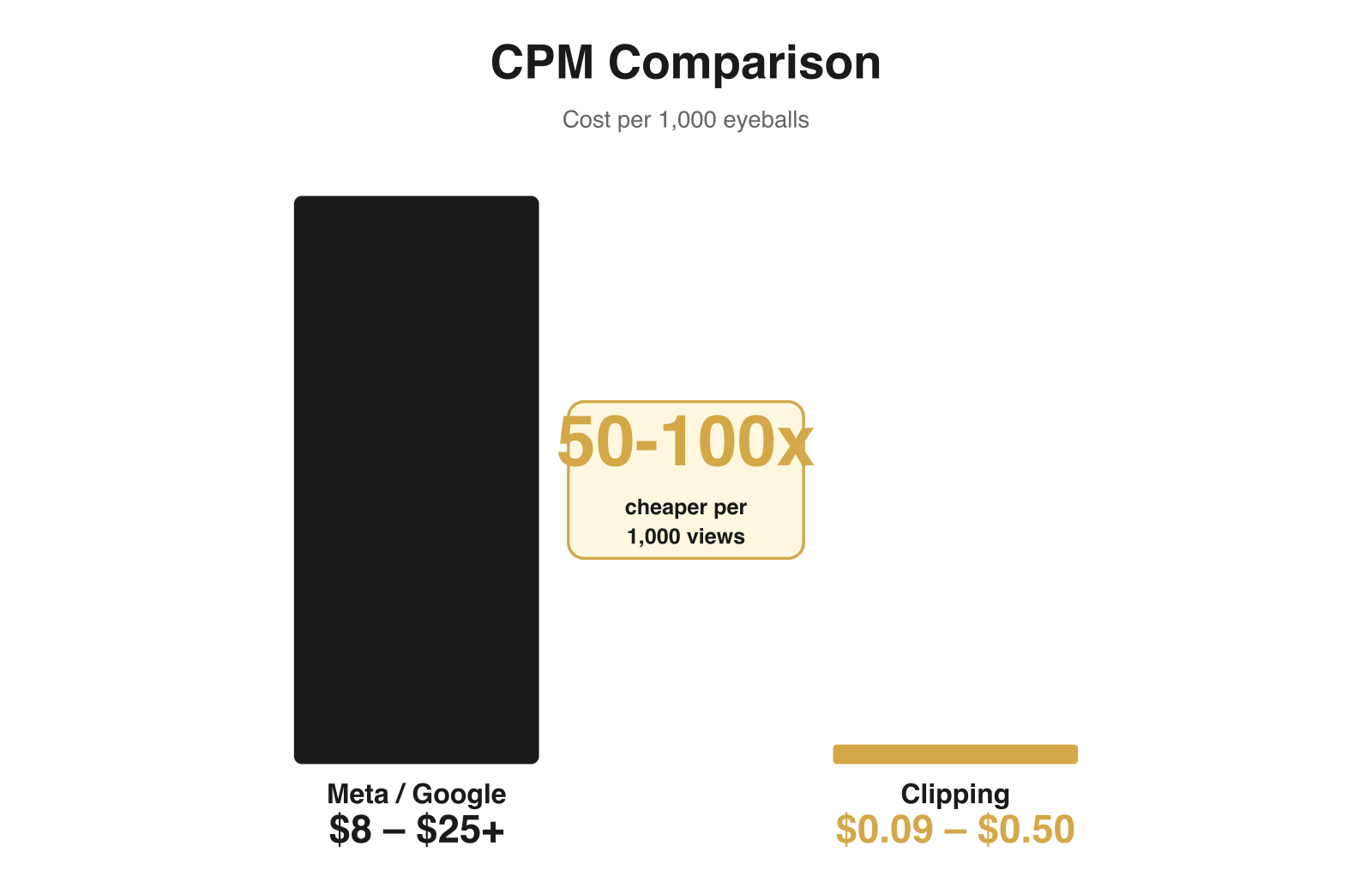
Clipping CPMs: $0.05 to $2 per thousand views.
Meta and Google: $8 to $25+.
That’s 50 to 100x cheaper per thousand eyeballs.
One real example: a $5,000 clipping campaign Content Rewards ran had 64 million views and 11,000 link clicks.
Not views.
Actual clicks to a landing page.
They spent $5,000 also on a billboard and only had 24,000 impressions and only 62 people scanned the QR code
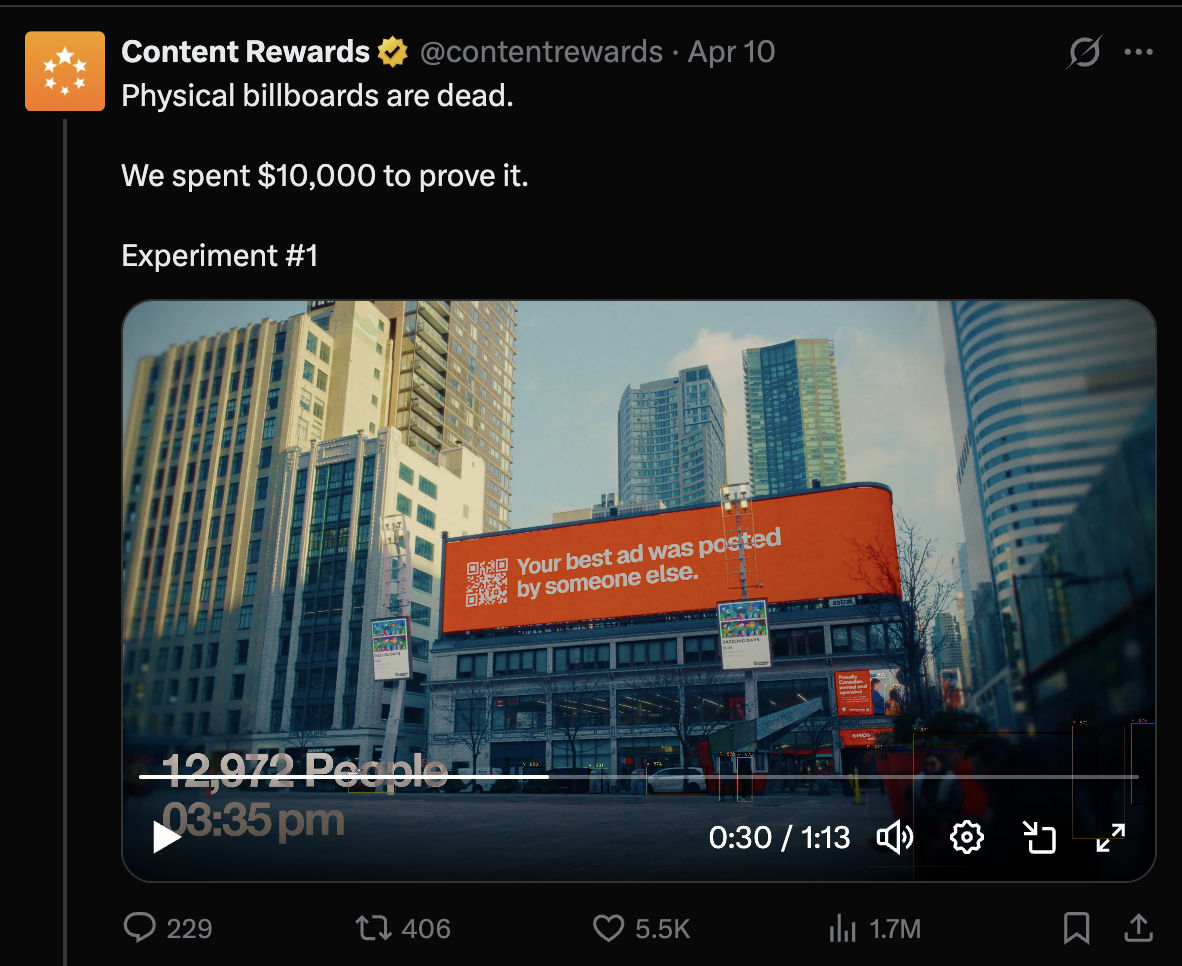
Brands are paying to be everywhere, over and over, until the brand stops being a logo and starts feeling like part of the culture.
Think Kai Cenat. He didn’t blow up from one viral clip. Thousands of clips flooded every platform for weeks. You couldn’t scroll without seeing him. My agency will have 5,000 to 10,000 clips posted per client per campaign. That’s how you saturate every feed.

Money Math
The space is huge. Now the money. Get this part wrong and every other choice goes wrong too.
3.1 The three pillars
- Brand — has the money, wants views
- Agency (me) — runs the middle, gets paid to run the thing
- Clippers — 100,000+ editors turning raw footage into short-form clips
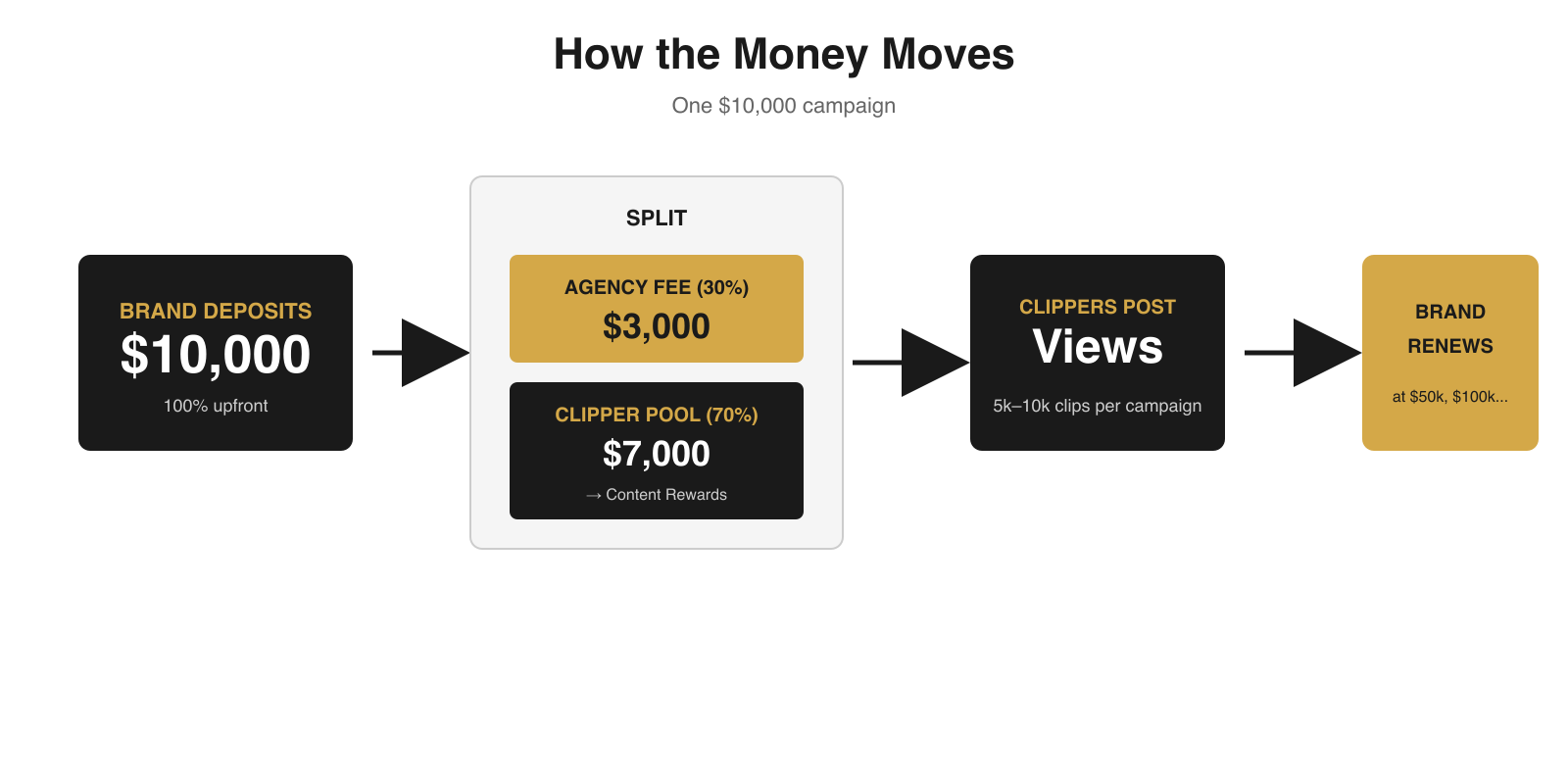
3.2 How the money flows
- Brand agrees on a budget.
- Brand pays 100% upfront.
- I take 30% off the top.
- 70% goes into Content Rewards.
- Clippers post. Views come in. They get paid.
3.3 Math at scale
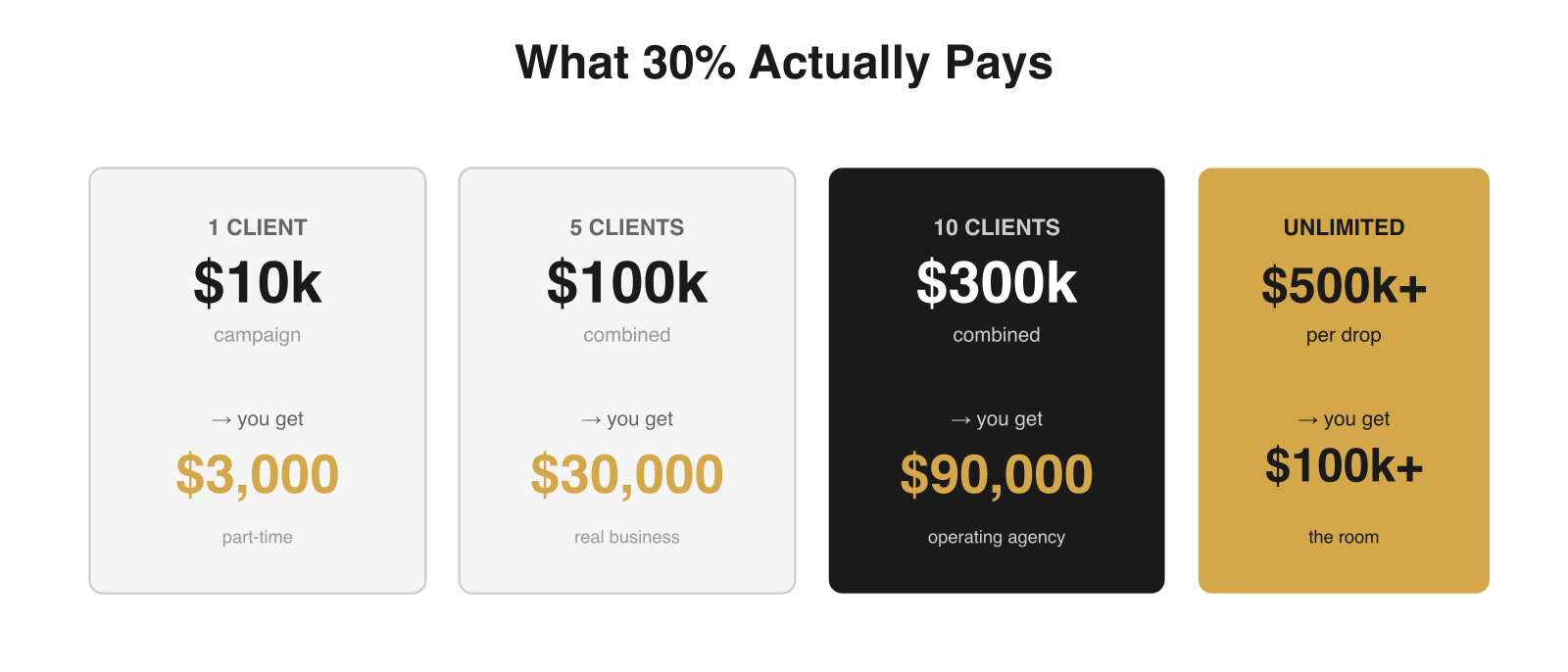
- 1 client at $10k/mo — $3,000 to me. Part-time pay.
- 5 clients at $20k each — $30,000 to me. Real business.
- Unlimited-budget tier — brand drops $100k or $500k, clippers spend it, brand drops more. No cap.
Daniel Bitton (who runs Content Rewards) told me the platform has 4 brands with unlimited budgets right now.
Point isn’t that everyone gets there.
Point is that tier exists.
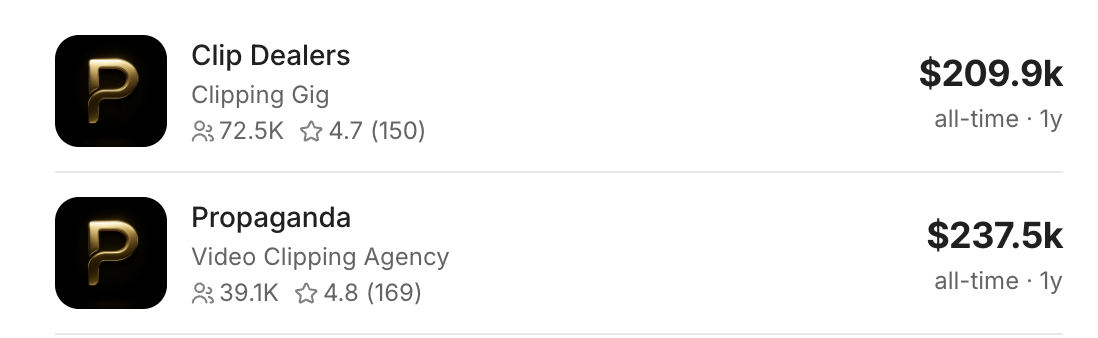
3.4 Propaganda — year one
- $450k+ revenue
- 100,000+ clippers recruited
- $600k+ in client spend managed.
- 5B+ views across all campaigns.
Now you know how the money works. Next question: where do clients actually come from?
How to get clients
You know how the money works. Where do the clients come from? Not where most people guess.
4.1 Who actually pays
Four main types of clients pay Propaganda. None of them are the “small business that just found TikTok” type.
Brands already spending on marketing
- My favorite tier. They’re moving a budget, not starting one.
- One client was burning $400k a month on Google ads their own team said did nothing.
- We closed them on a $20k pilot. $6k to us in month one.
- They’ve hinted they want to shift a big chunk of that $400k to us.
Companies with money in the bank
- Raised capital, can’t get seen.
- One raised $120M. The founder wanted a personal brand on top of the company.
- Had the cash. Had the content. No network to push it.
- We sold them distribution, not a content plan.
Movies & TV Shows
- High volume. High budgets. Extremely viral content.
- We’ve done a few campaigns for Netflix shows
- They were some of the easiest campaigns we’ve had because the content is so viral.
Creators, streamers & artists (music especially)
- They get virality faster than anyone. It’s their job.
- A few of my students run full agencies just in this niche.
- We’ve worked with the biggest artists and labels in the world.
4.2 Who to walk away from
Not every lead is a client. Most people take too long to learn that. I did too.
- Custom work you don’t offer
- Bad content or no angle to run a campaign that will get results
- Wants to target a very specific type of person - clipping is best used to target the masses.
Two weeks ago I passed on a company that wanted to spend $20k in month one with room to grow. On paper, a yes. Took a look at their content and who they are targeting and clearly it would have been impossible to get them results so I turned them away.
4.3 Ideal client
- $10-20k+ month one
- Already doing revenue. Already spending on marketing.
- One decision-maker, not a committee.
- Low-maintenance. Trusts the process.
- Viral content angle
Getting clients isn’t the hard part. You can’t close budgets you can’t fill.
4.6 If you’re a brand reading this
Some of you are founders wondering if clipping is worth it for your own company. It is. If you want it done for you instead of learned, that’s a different conversation.
→ Running a brand and want clipping done, not learned? That’s what my agency does.
How to Get Clippers
If you read one section, read this one.
The real reason year one looked like it did is this.
111,600 clippers sit inside my two Whop communities right now.
People who want to copy this business copy the pitch, the pricing, the funnel. They can’t copy 111,000 people who trust me to pay them on time.
5.1 The network IS the business
A clipping agency sells one thing. The power to put a brand on a huge number of accounts, fast, at a CPM nothing else can match.
You can’t sell that without clippers.
Same $50k budget. Two results:
- 20 clippers: money sits there. Campaign limps. Client doesn’t come back.
- 10,000 clippers: 300 clips live in 36 hours. Budget spent in a week. Client doubles next month.
Two things to keep in your head:
- Clippers are freelancers, not employees. They clip for whoever pays well, pays fast, and treats them right.
- The network is not a one-time build. You recruit. You activate. You keep them warm. Always.
5.2 The three layers
This is how I think about recruitment.
- Acquisition. Where new clippers come from.
- Activation. The first seven days decide if a signup will ever clip for you. Most agencies lose 70% here.
- Retention. Why they stay after they clip. The difference between growth and churn.
5.3 The methods
Here is how I got to 111,000. Every channel is a piece. Content is the one we lean on most now.
Channel 1 — Direct outreach
Day one. No budget. No audience. Almost every operator starts here. Me too.
The pool is bigger than people think. Maybe four or five million active clippers in the world. Plus tens of millions of retainer editors who never heard of clipping.
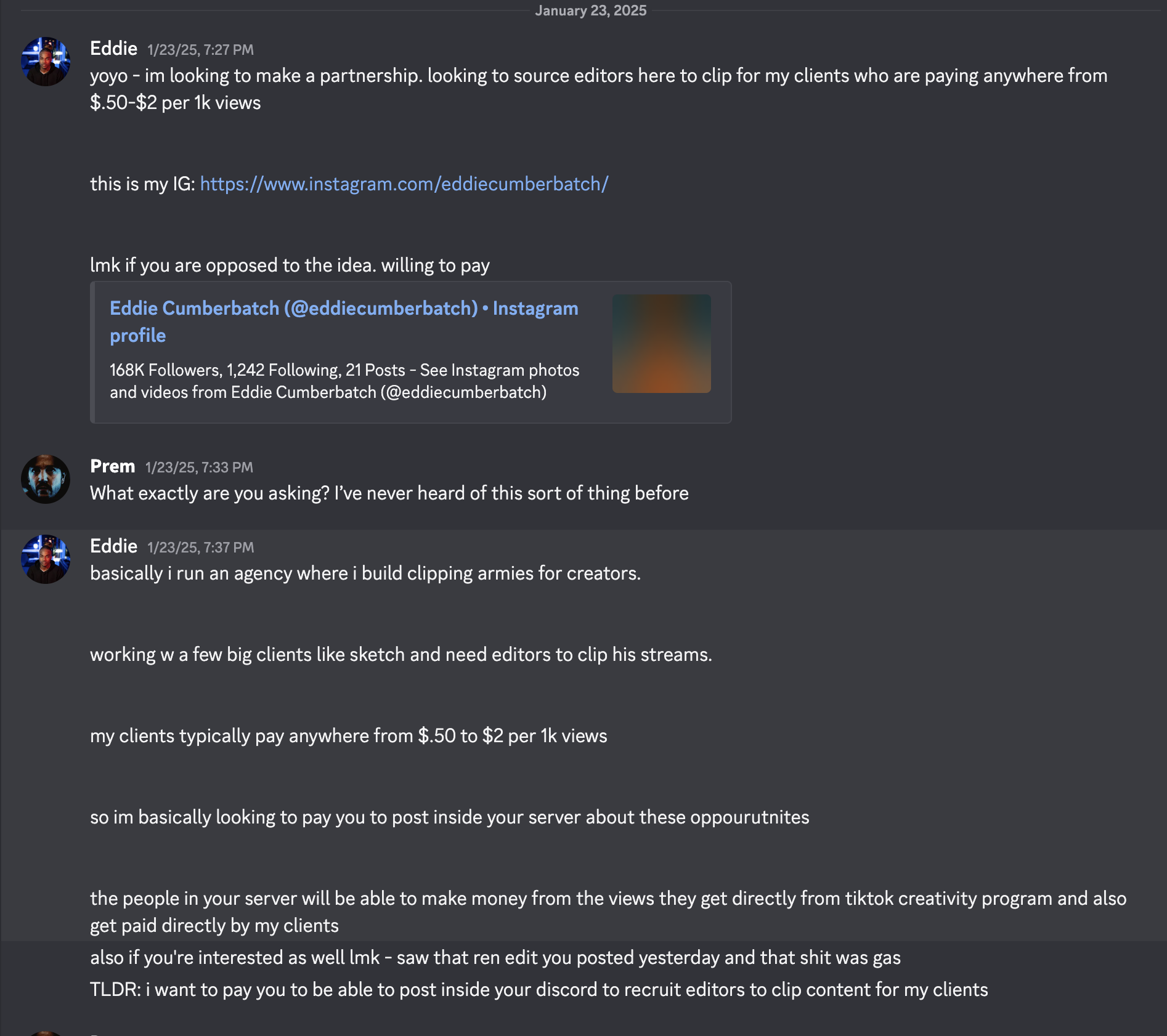
What makes outreach work:
- Warm the algo. Don’t mass DM. Fresh TikTok account. One hour tapping on editor content. Let the feed load up.
- Hunt for groups, not people. An editor with a Discord link in bio beats a lone creator.
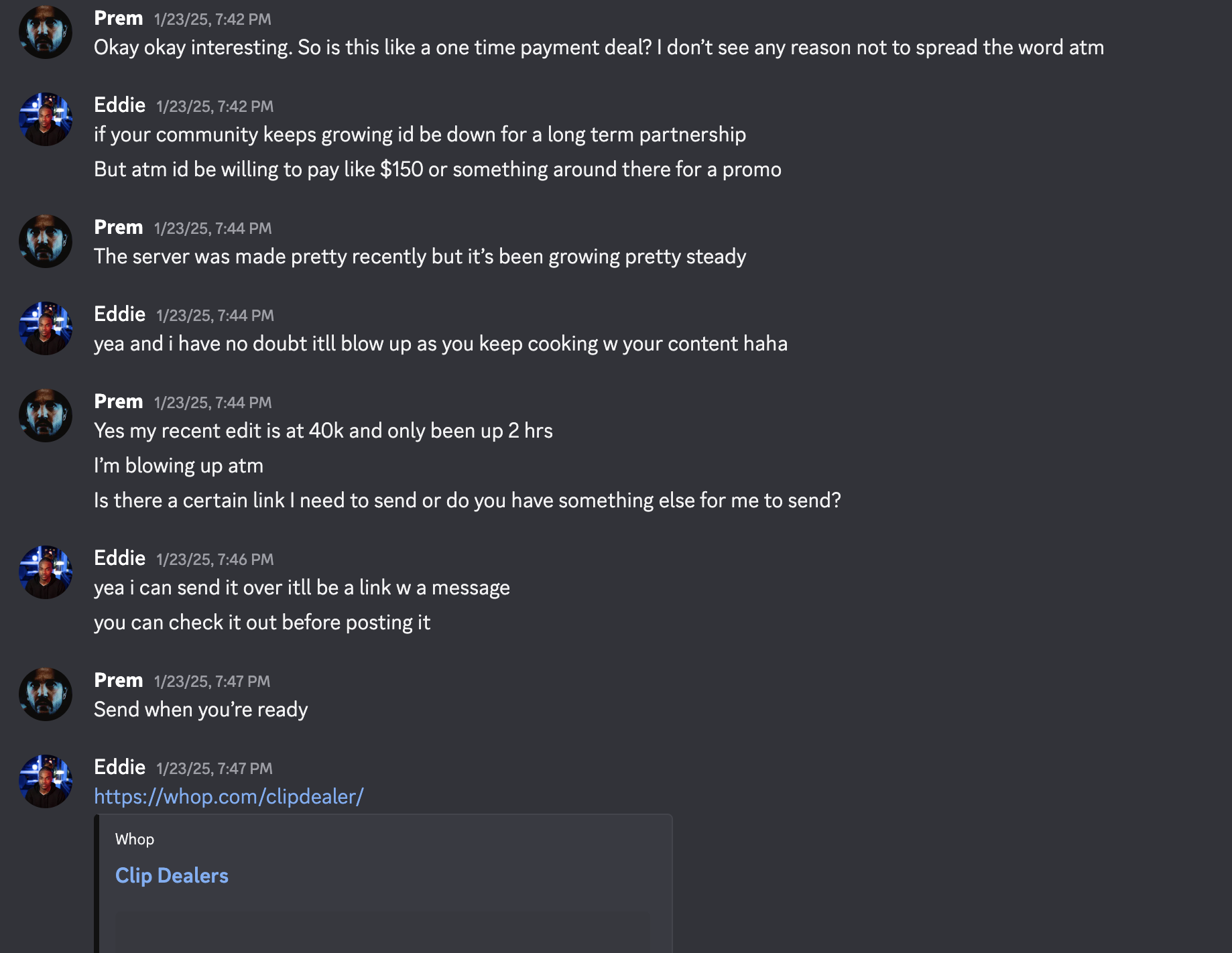
- Go to the owner first. Pay for a promo. Don’t scrape the member list.
- Quality over volume. One right swipe beats a hundred wrong ones.
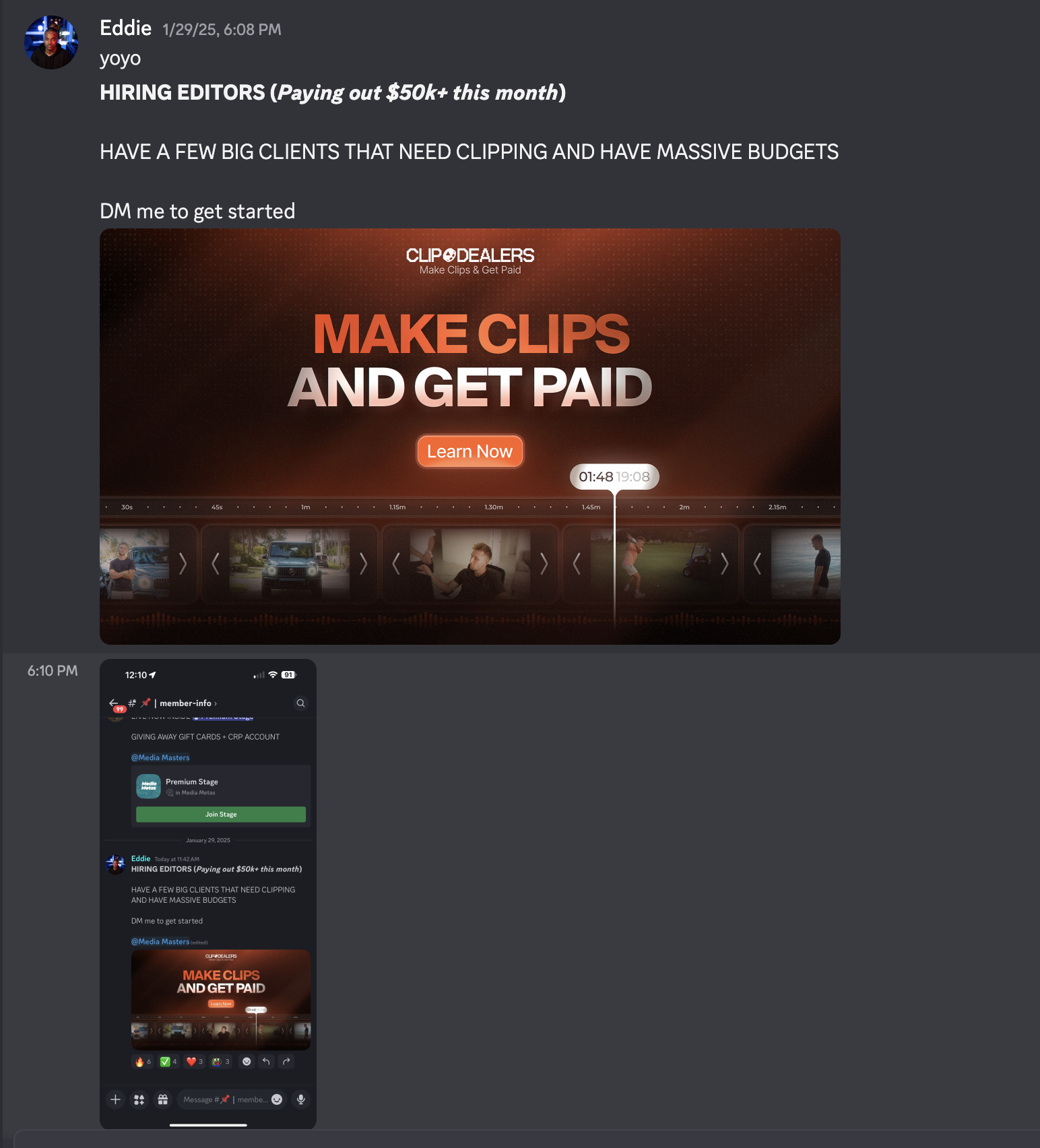
The Star Wars Discord. A Star Wars edit came across my feed. I tapped the profile. The bio had a Discord link for editors. I joined. Inside were about 500 editors. I DM’d the owner and paid $50 for a promo post about my agency. That post paid back more than 10x, and a handful of those editors became some of my most consistent submitters.
Channel 2 — Job boards
This got Propaganda its first real group of clippers.
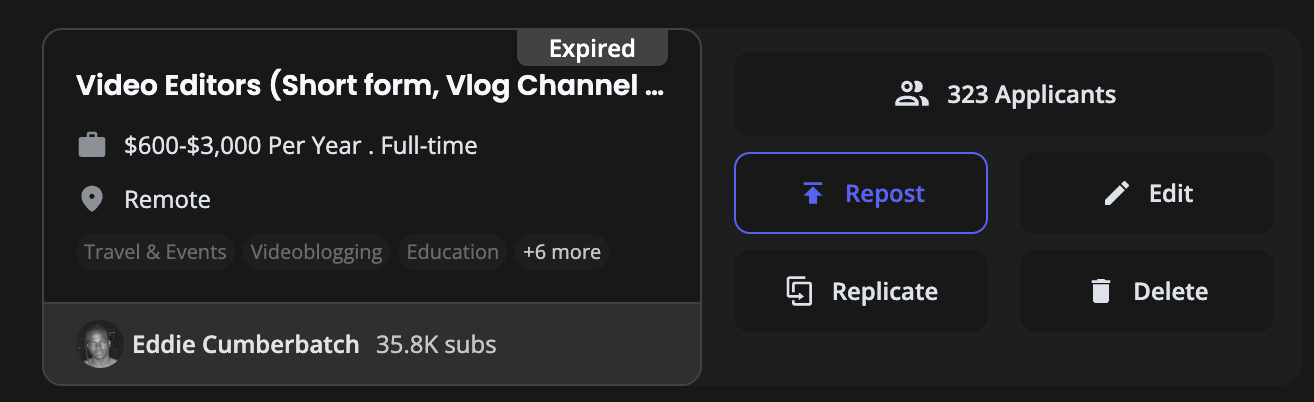
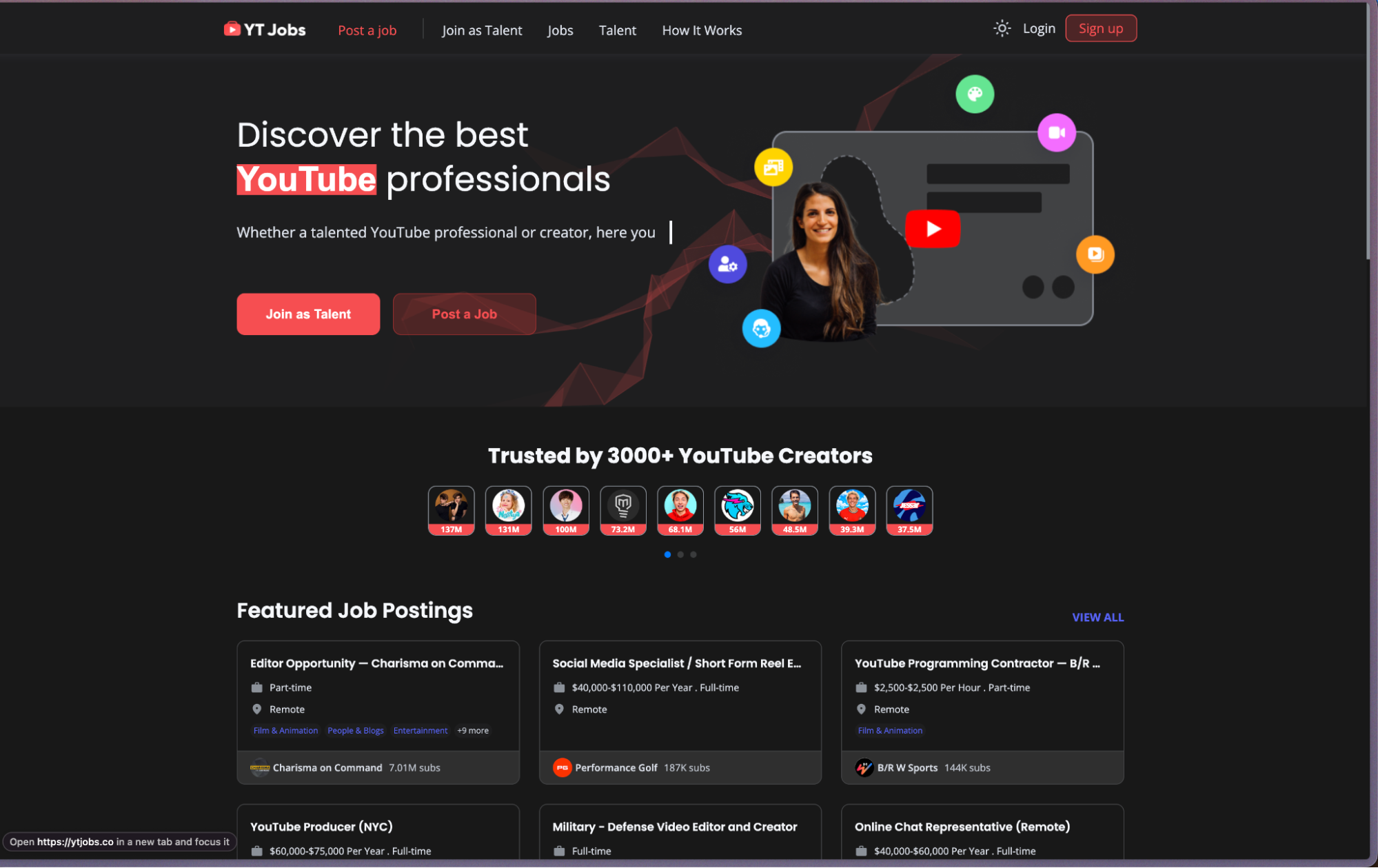
YTjobs is the freelancer platform where creator teams hire editors for MrBeast-level channels. The talent is top tier.
The play:
- $150 listing. Standard editor job post.
- 300 to 400 applicants. About 40 cents each.
- Pivot every reply. You are not really hiring an editor. You are looking for clippers.
- A chunk joins. A handful become core clippers. Some are still clipping today.
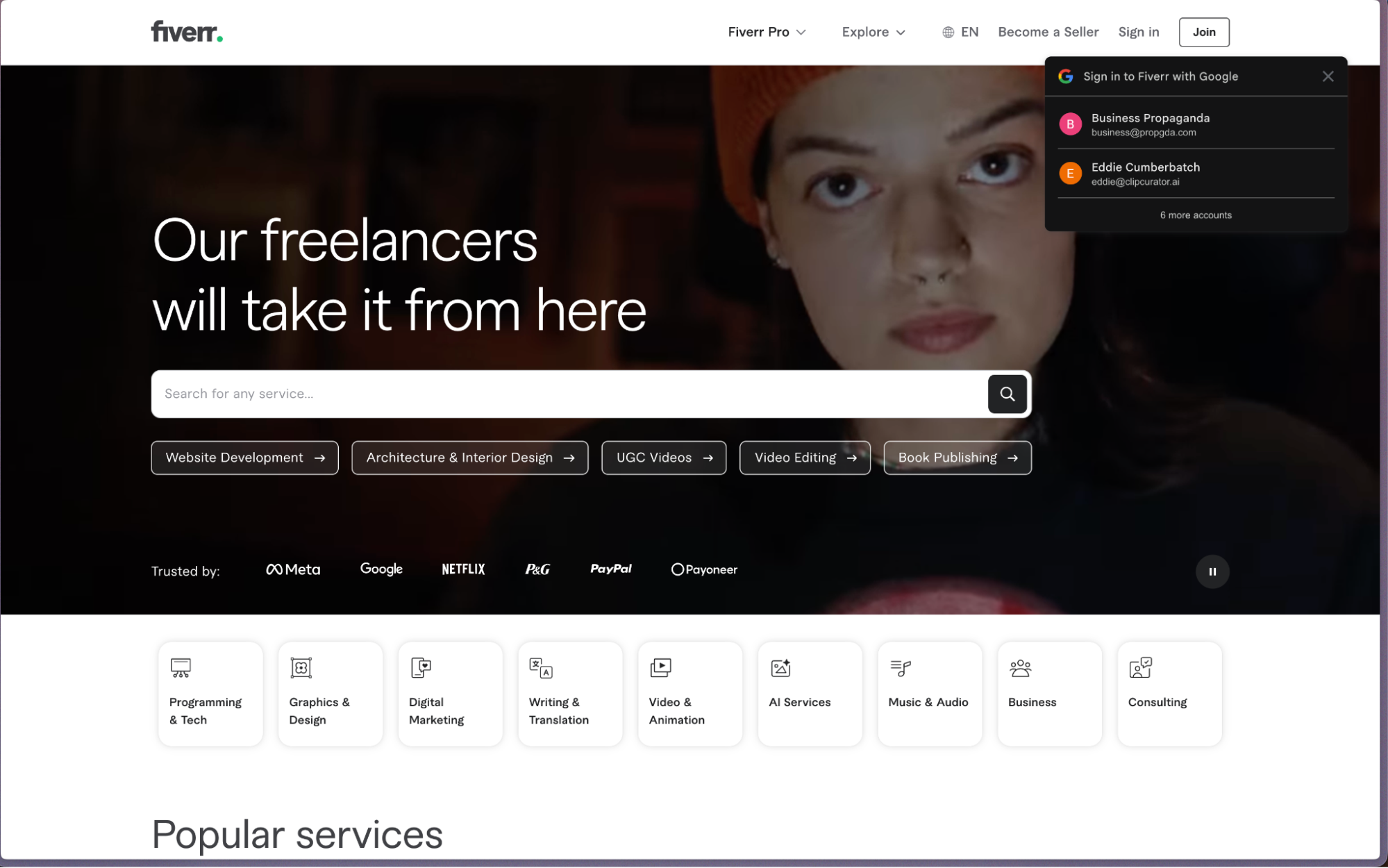
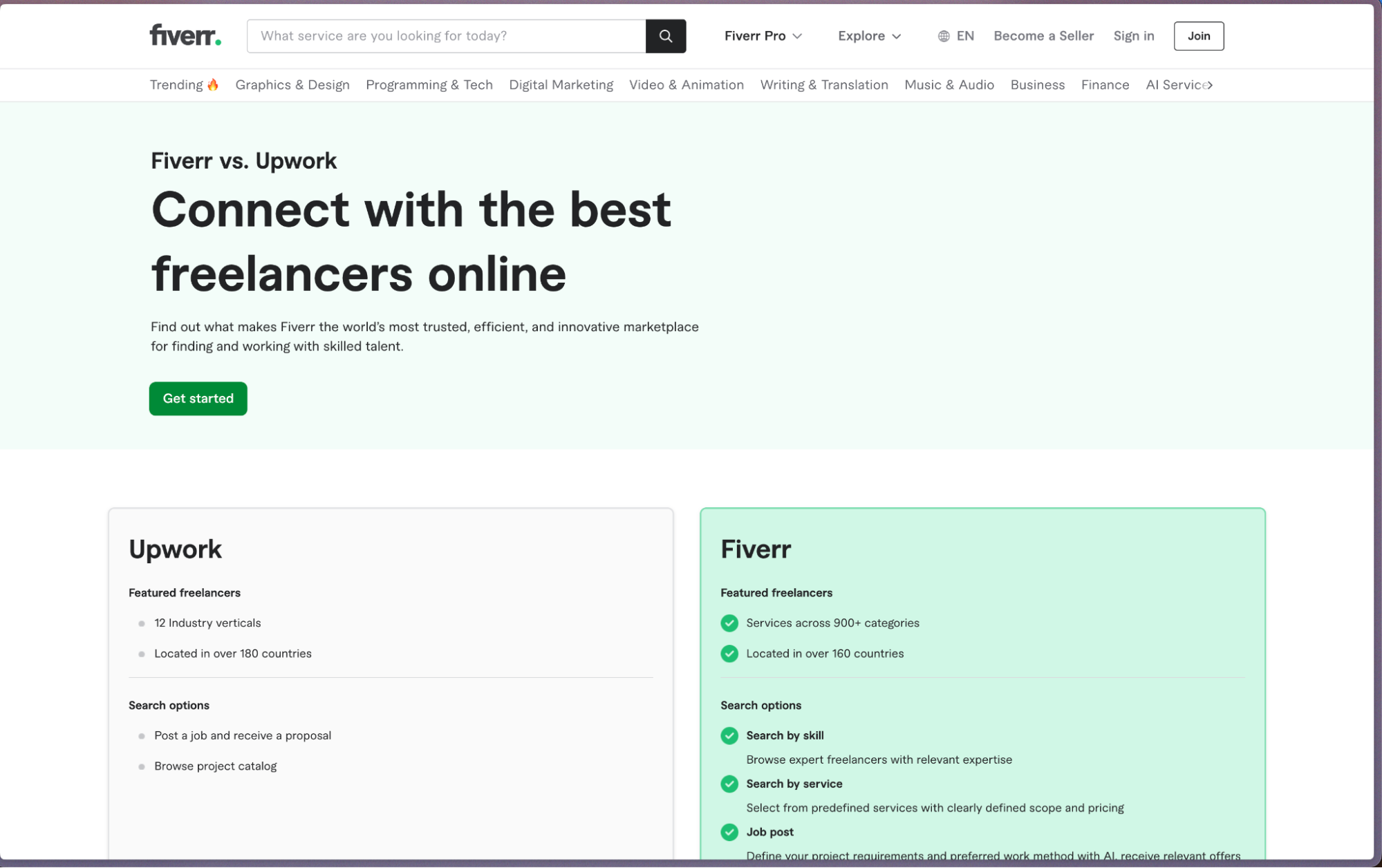
Side version: Upwork and Fiverr. Free to post.
Channel 4 — Discord
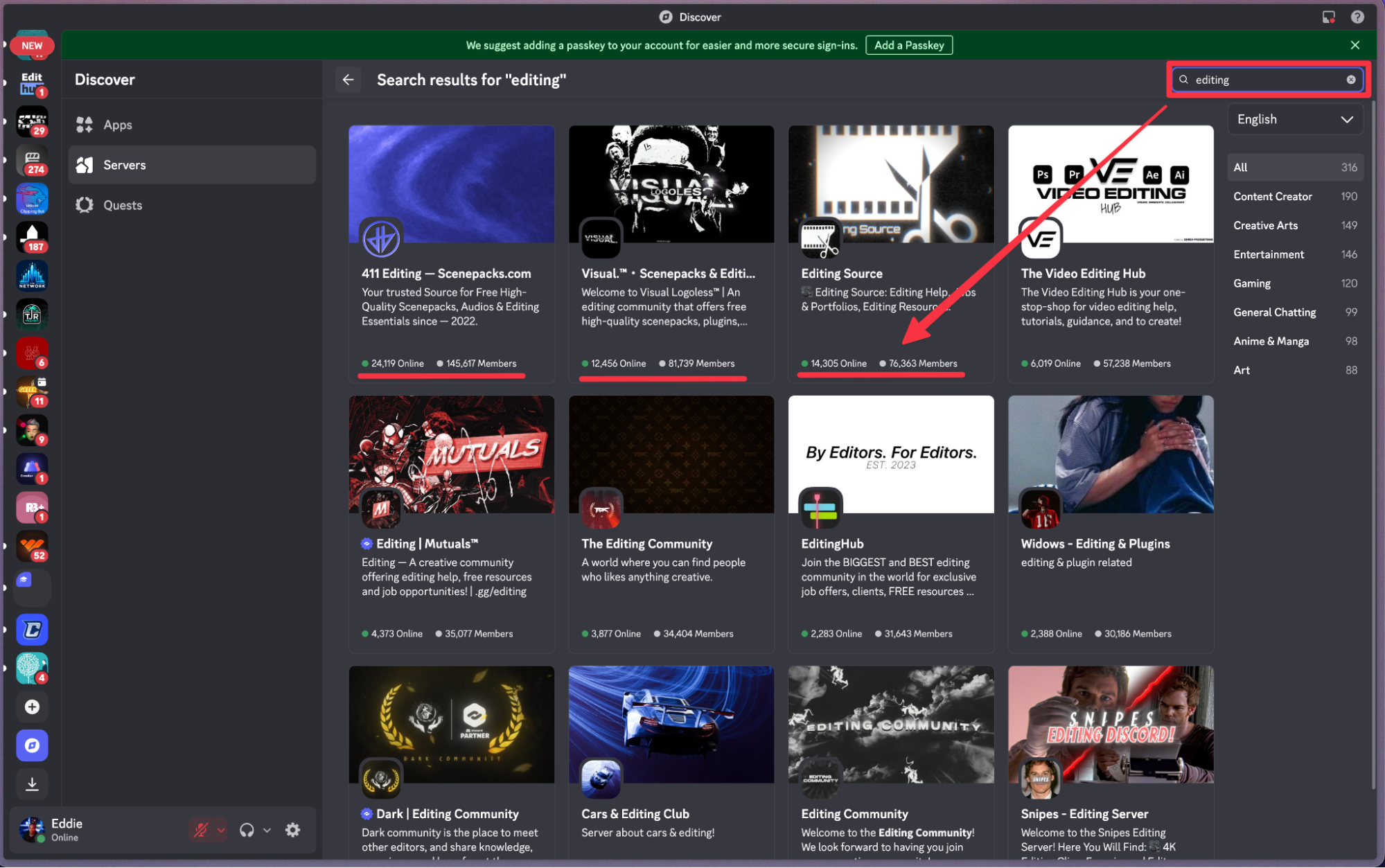
Editors post on TikTok. They live on Discord. Get into the right server and you are in the room with the talent.
Two ways to run it:
- DM-based. Search “editor,” “editing,” “anime edits,” “gaming.” Join the biggest servers. DM the active ones.
- Promo play. Find the owner of a high-quality server. Pay for a post. $50 on the low end. A few hundred is common.
Why the promo play wins:
- The post looks like a deal backed by an owner people trust. Not an ad from a stranger.
- You skip the “who is this person” tax.
- One post gets you a whole server of pre-qualified talent.
The Star Wars Discord is the same move. $50 in, 10x+ out.
Channel 5 — Content (the most powerful channel)
This is the one.
Every other channel is linear. One DM equals one chat. One job post equals one pool. Content is not linear. One video, 30 minutes to film, can pull 20,000 clippers into your community by the weekend and keep working for six months.
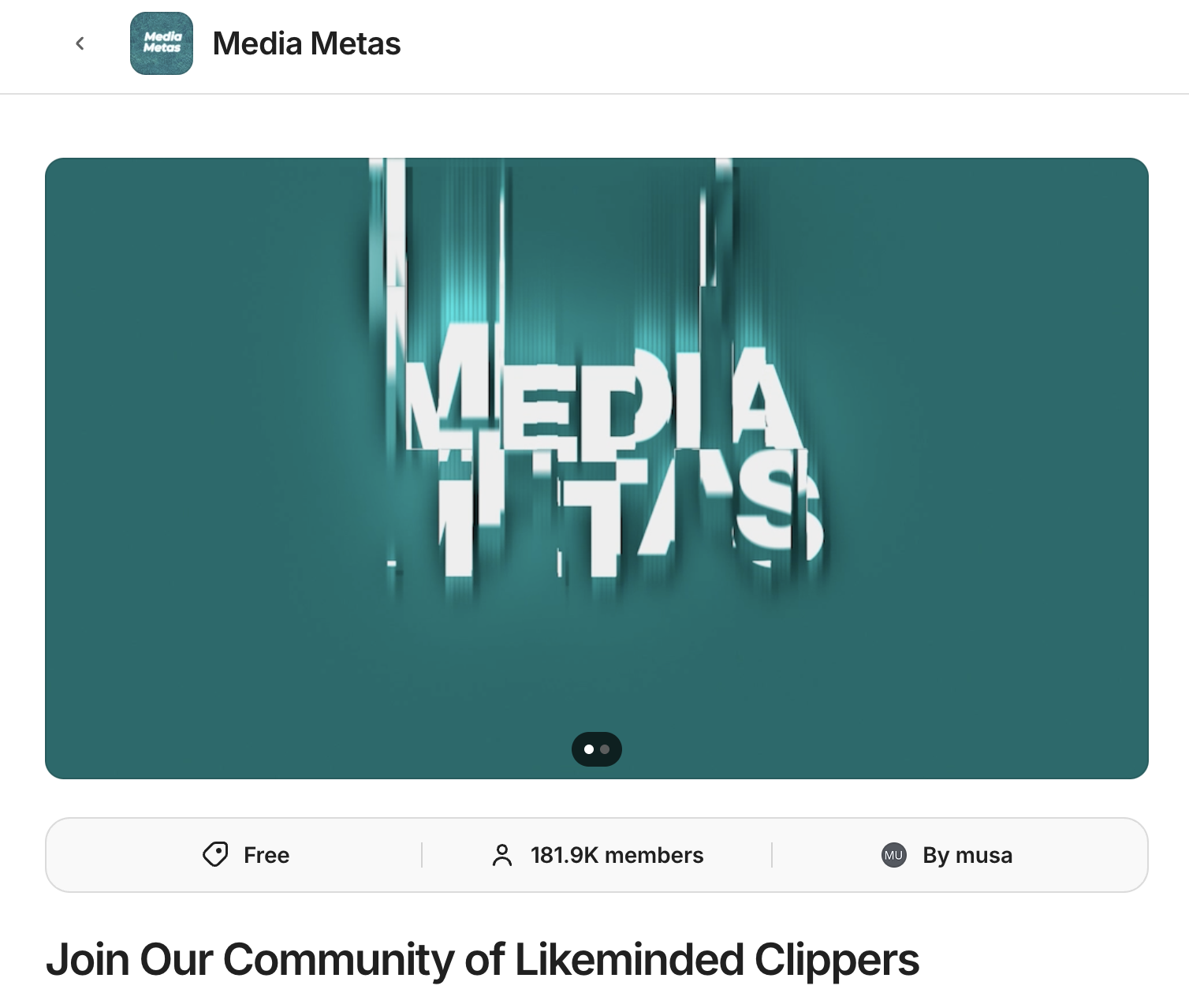
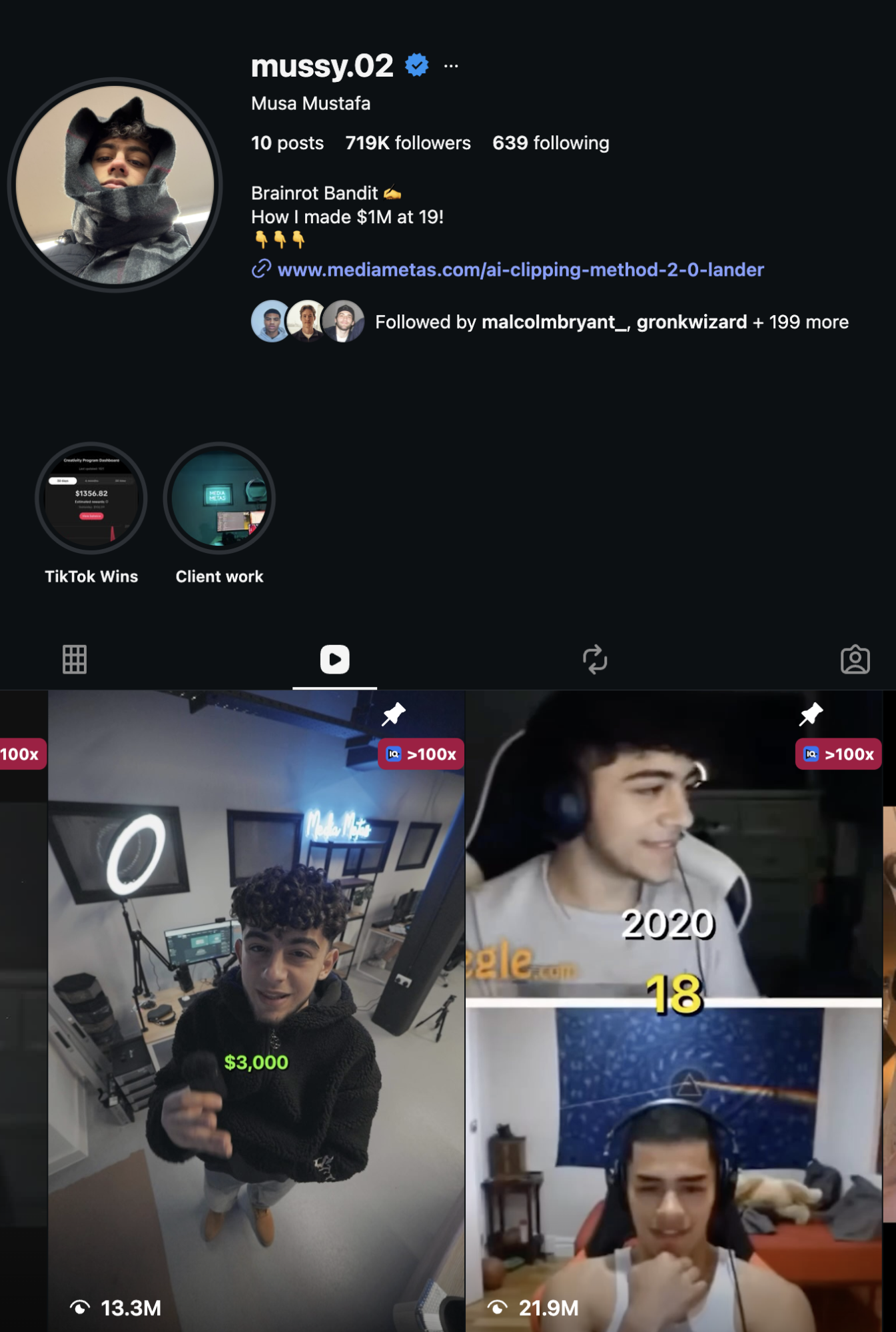
Musa. Musa runs one of the biggest clipping communities in the world. He also owns Crayo, a software with around two million users. His main community got banned. He spun up a new one and posted one piece of clipping content a day for 30 days. No outreach, no job boards, no Discord, no ads. The new community finished the month at 150,000 people.
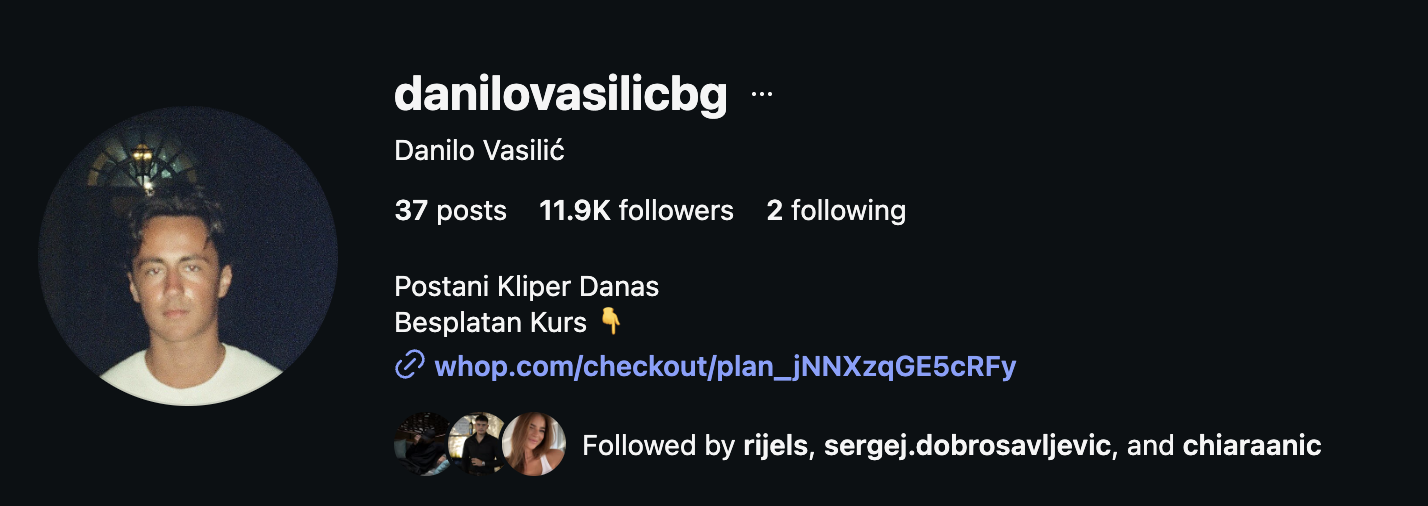
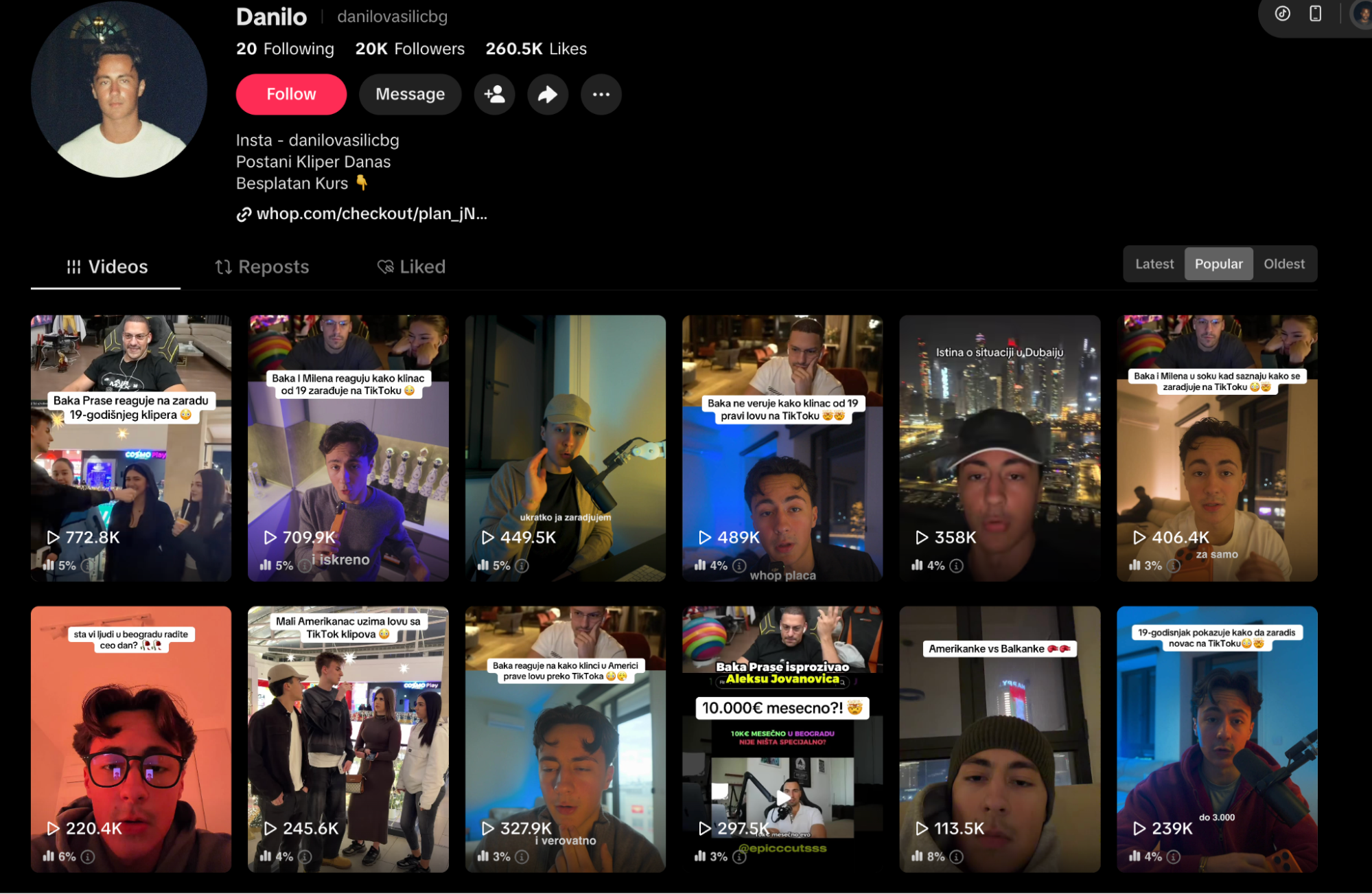
Danilo. My business partner. Started posting in Serbia in January.
Month one: five million views.
By month three he was getting stopped in malls in Belgrade.
Thousands of new Serbian clippers poured into our communities on the back of it
Content angles that convert:
- Day-in-the-life. What running a day in the life of a clipper looks like.
- Clipper earnings videos. “How I made $10k clipping this month.”
- Operator earnings. “We paid $50k to clippers this month.” Pulls the ambitious ones.
- Editor conversion content. Retainer editors hearing the clipping math for the first time.
The rule: content is the only channel where one day of work keeps working for six months. Every other channel needs you there. This one does not.
If I started over with no clippers and no clients, I would spend 60% of my time on content and 40% on the other five combined.
Channel 6 — Ads
This is the one you grab when you have cash and want to pour gas on something already working.
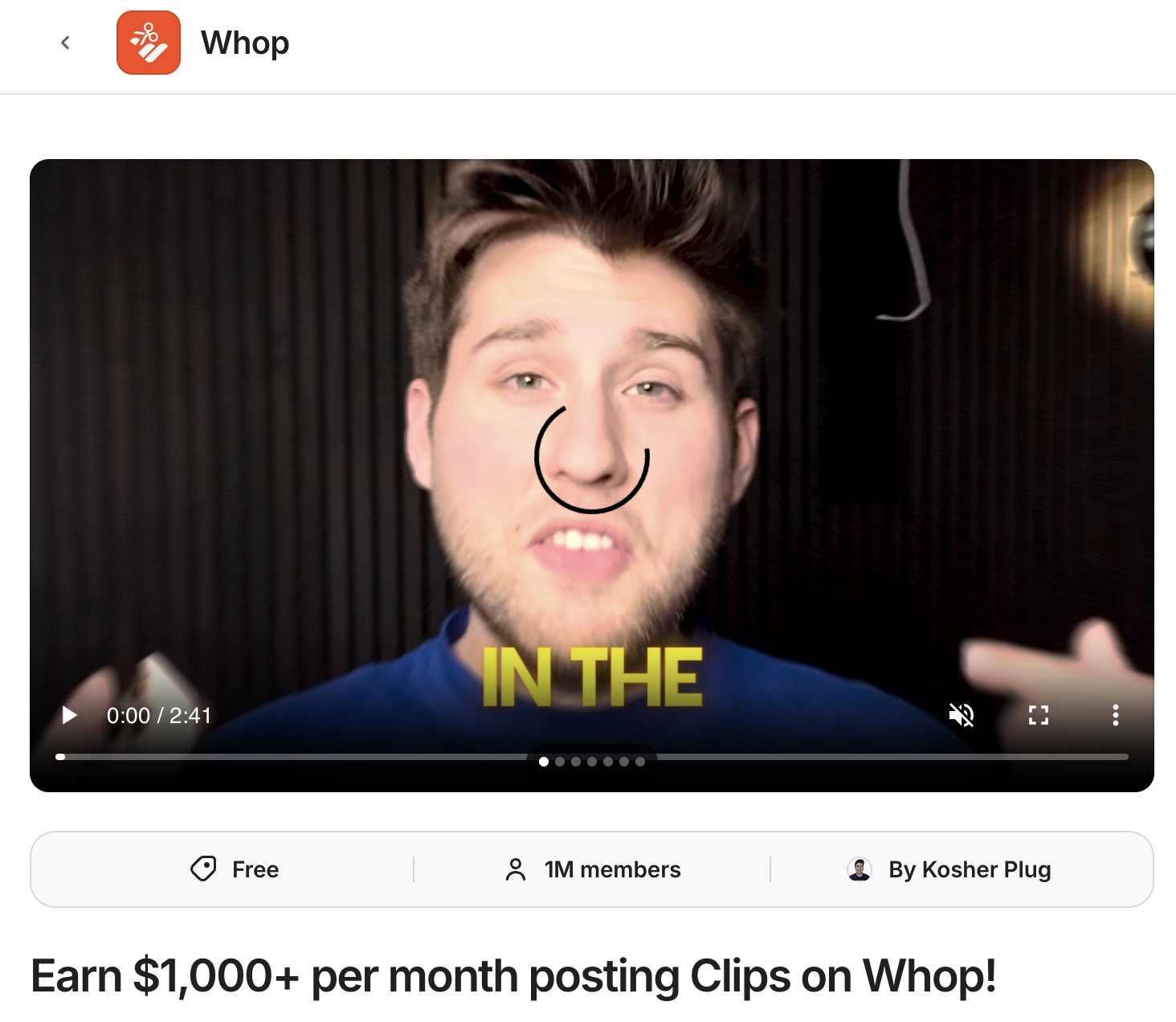
I haven’t run paid ads from Propaganda’s budget. My friend Kosher that I worked with at Whop scaled Whop Clips in the beginning through paid ads:
- About $10,000 spent.
- About 20,000 clippers added.
- $0.50 to $1 per clipper.
Real numbers. The channel works.
How to think about it:
- Run ads if your content is already pulling. You are paying to show winners to more people.
- Run ads if you have spare cash and want to move faster.
- Don’t start here. Cold ads to a brand new community convert badly.
- Start at $5 to $10 a day. Learn what converts. Scale winners.
5.4 The referral contest (the multiplier)
Once you have 50 to 100 clippers from the six channels, one move turns every clipper into a recruiter.
A contest. A leaderboard. A prize pool for whoever brings in the most new clippers that month.
What works:
- $500 pool. $350 first. $100 second. $50 third. Small dollars, big result.
- Use Whop’s built-in affiliate dashboard. It tracks invites for you.
- Post the leaderboard daily. Call out first place every day.
- Let the top three flip every week so the fight stays alive.
One of the Virality founders told me this move took his community to about 10,000 clippers. From what I have watched it do elsewhere, it can 10x a community in 30 days if the base is warm.
It is not a standalone channel. You need 50+ active clippers for the heat. Once you have that base, it is the fastest multiplier there is.
5.5 Activation — the first seven days
Acquisition gets them in the door. Activation decides if they stay.
A new clipper on day one clicked a link from a TikTok.
They have never used Content Rewards.
They don’t know what “campaign” means here.
They have a 24-hour window of energy before the tab closes forever.
Most agencies lose most of their signups inside that window.
What every new clipper needs in week one:
- A clear walkthrough of what clipping actually is. Assume zero prior knowledge.
- A short clipper course inside the community. Basics, end to end. Built for someone brand new.
- The same answer to the same question four times a day, in the same tone every time.
The rule: you have to hold their hand. A clipper who feels dumb leaves. A clipper who feels helped stays. Your tone on the eleventh repeat has to match your tone on the first.
5.6 Retention
Five things keep clippers in a community. In order:
- Steady deal flow. Empty board means clippers wander to agencies with active budgets.
- Fast clip approvals.
- Clear denials. “Captions were off-brand, fix for next time” unlocks the next approval. No reason at all feels like they are being scammed.
- Recognition. Public wins. Payout screenshots. Leaderboards. One posted win pulls out five more.
- Culture. A tactical agency with a slightly higher CPM can still lose a clipper to me on feel alone.
5.7 The compounding effect
The first 5,000 clippers are hard. Growing after that is simple.
Propaganda did not grow in a straight line. First few months was boulders up a hill. Every DM, every Discord promo, one at a time. Somewhere around 2,000-5,000, the network started recruiting itself.
Four things at once:
- Clippers tell their friends. The barber tells his guys. The editor tells his Discord.
- The referral contest stacks on top.
Past that point, the next clipper costs less every month. Anyone can run the six channels. Very few build a network big enough to recruit itself.
The network is the moat. The network is the business. The network is what lets you step away from the laptop without the whole thing falling over.
Build that, and the rest — clients, ops, revenue — takes care of itself (kinda)
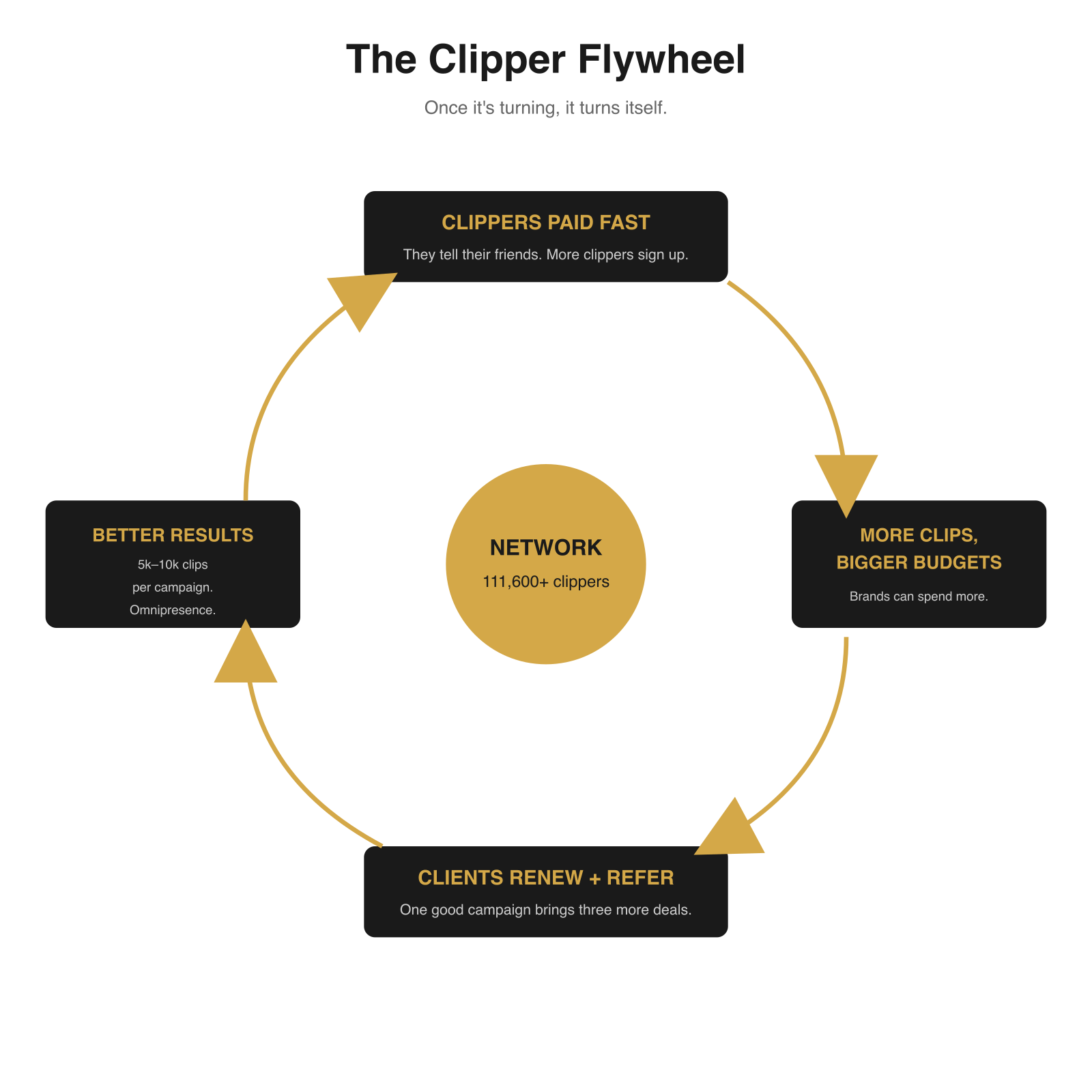
The flywheel. Once it turns, it turns itself.
How to Launch a Campaign
There’s a 24-hour window where you either look like an experienced agency or you look like you’ve never done this before.
Here’s what the first 24 hours look like for me.
The onboarding process
Right after the deposit hits:
- Send them an onboarding form
- Get their source material. Long-form content, clips they’ve already made, raw footage.
- Agree on the guardrails. What can clippers post, what can’t they post, what tone, what hashtags, what CTAs.
- Set the timeline.
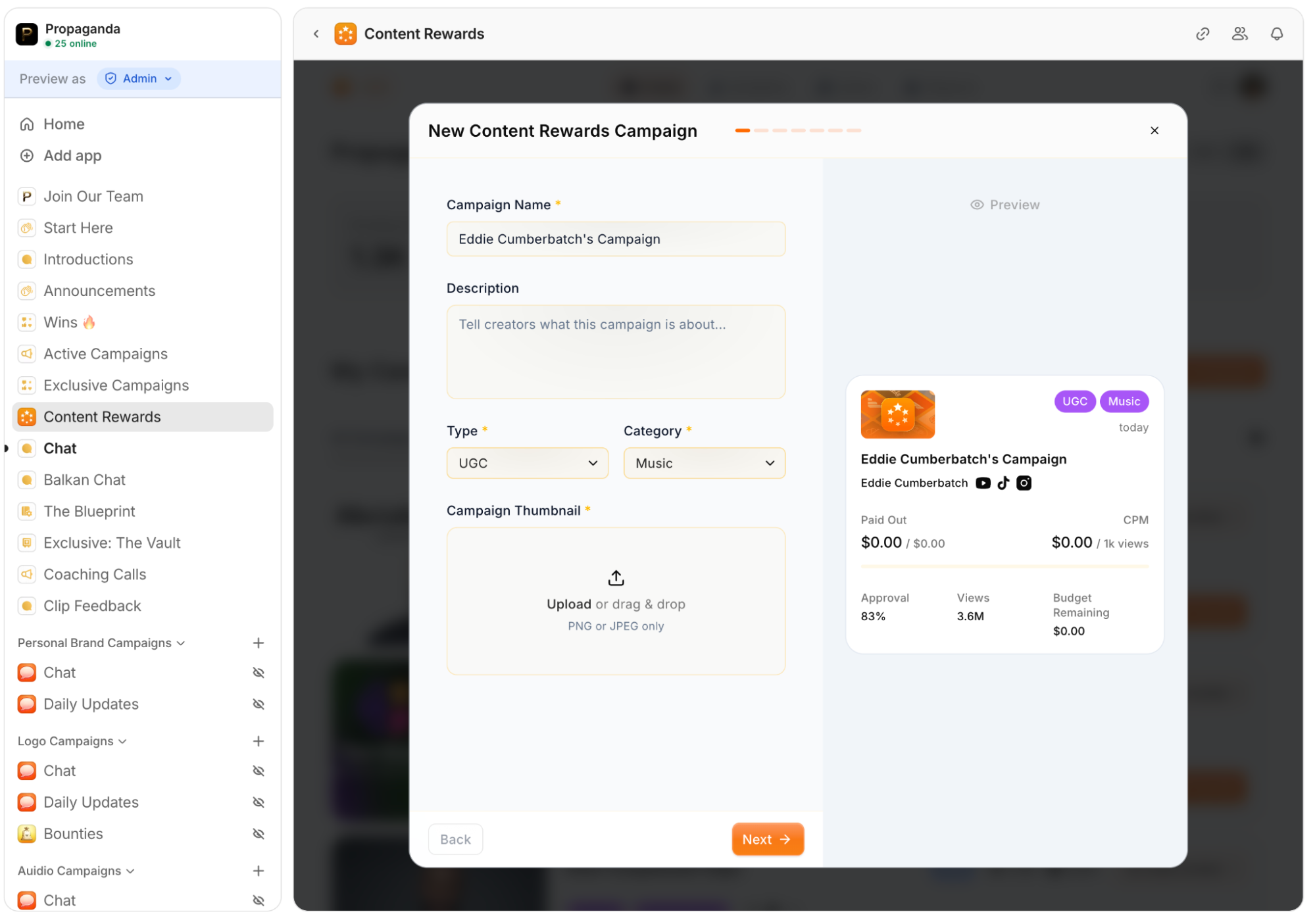
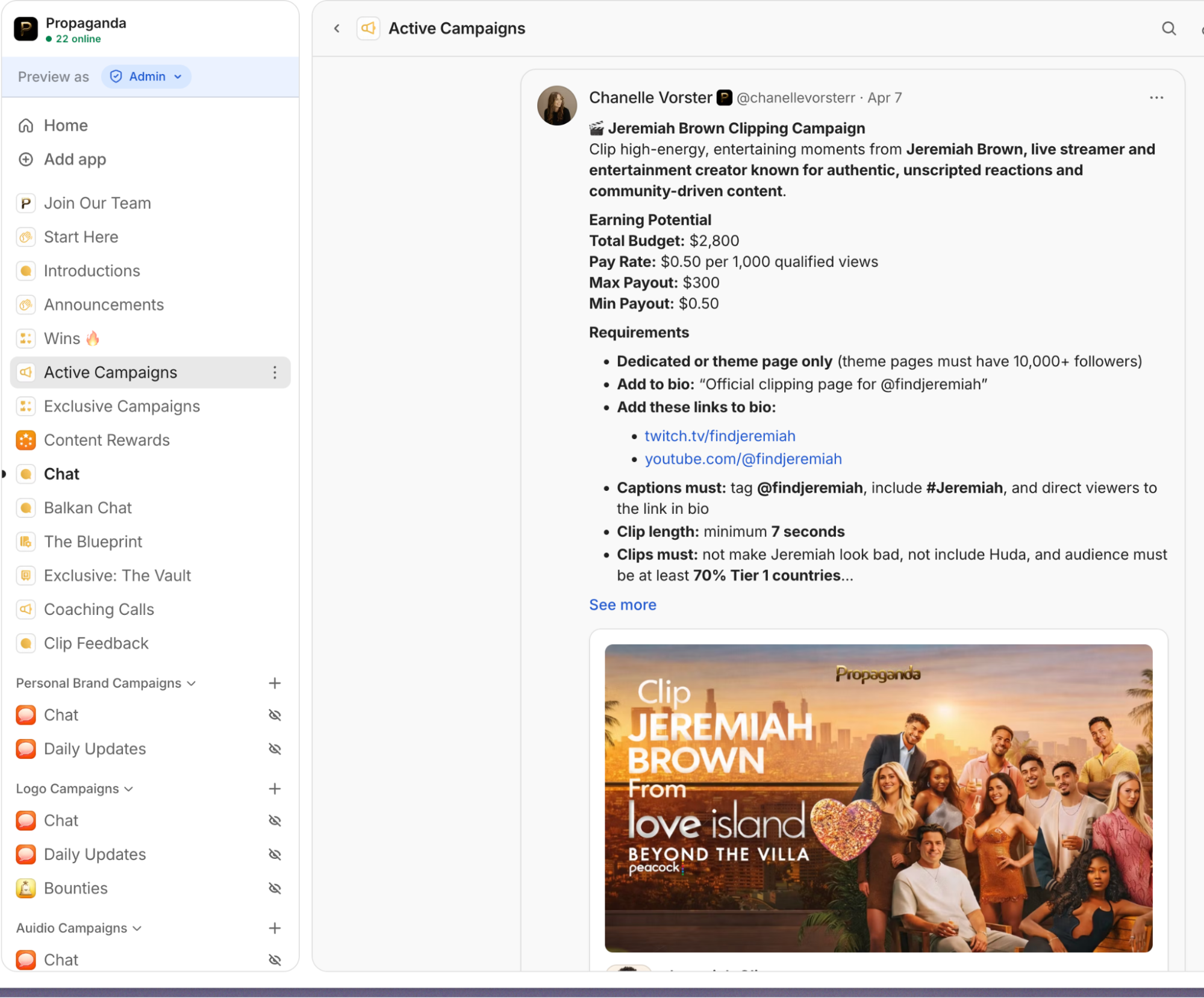
Build the campaign page
Inside Content Rewards:
- Set the CPM. Usually $0.15 to $1 per thousand views, depending on the niche.
- Set the max payout per clip. $200 to $250 is what we typically set. Keeps one lucky clip from eating the budget.
- Write the guidelines.
- Upload reference clips. Three good examples. This is the single biggest lever on clip quality.
- Drop the raw source material.
Post the campaign to the community
In my Whop community:
- Announcements channel gets the launch post.
- Quick Loom walkthrough — me showing the guidelines out loud.
How to Manage a Campaign
Launch day is the easy part. What separates the agencies who get to month six from the ones who don’t is what happens after.
Here’s how I run an active campaign day to day.
The daily rhythm
Every campaign, every day:
- Review new clip submissions. Fast.
- Approve or deny with a one-sentence reason. Denials without reasons kill clipper energy.
- Post the day’s top clip in the community chat. Clippers feed off each other.
- Spot check for fraud.
- Respond to questions in the chat & support tickets.
Approving & Denying Clips
This is extremely important. You want your clippers to trust you, and you don’t want to spend your client's budget on clips that don’t follow the guidelines or botted clips.
- Approve clips within hours, not days.
- Give specific feedback on denials.
- Tell clippers with denied clips exactly what they need to do to get approved next time.
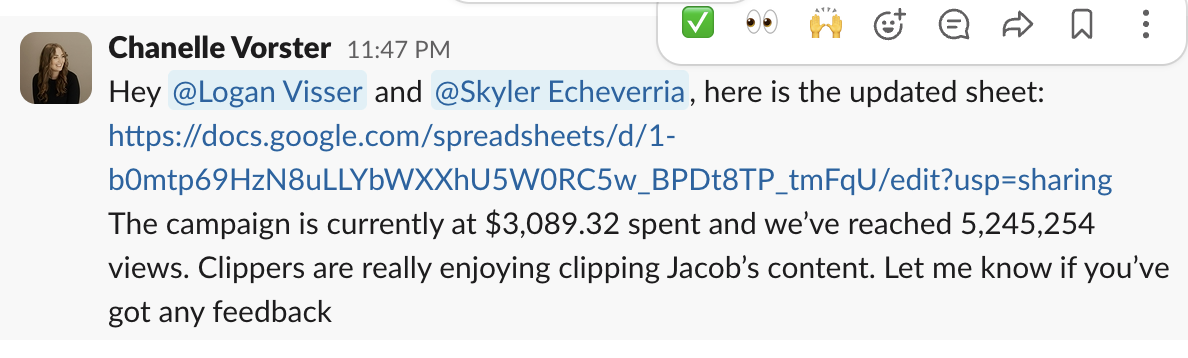
Weekly reports to the client
End of every week, send them:
- Total clips posted
- Total views
- Effective CPM
- Spreadsheet with all the clips
- What’s working + one thing you’d tweak for week two
Mid-campaign optimizations
Some campaigns need one or two tweaks in week two. Common ones:
- CPM is too low — clippers aren’t submitting. Bump the CPM by 20%.
- CPM is too high — the budget will blow before the campaign goals hit. Lower it or cap the max payout.
- Guidelines are too tight — denials are stacking up. Make sure the guidelines are clear and easy for a clipper to follow. Maybe loosen a rule. Post the update to the community.
- Source material is stale — clip velocity drops after day 10. Ask the client for fresh footage.
Scaling budget mid-campaign
If week one blew past the goals, don’t wait for the month to end:
- Send the numbers early. “Here’s where we’re at. Here’s what we could do with another $20k this week.”
- Most clients say yes. The ones who can scale were always going to scale.
- This is how a $10k pilot becomes a $50k month
How I run my clipping community
Finding clippers is one job. Running a hundred thousand of them is a different job. Most people skip this part. That’s why most people don’t make it to year two.
You can’t run a clipping agency out of your DMs. You can’t keep it in your head. You can’t be the only person answering questions forever.
The ones who scale build the right systems early.
6.1 The community is the HQ
Everything I run sits inside a Whop community. It’s not a chat room. It’s the agency. Take it away and I don’t have a business.
The channels:
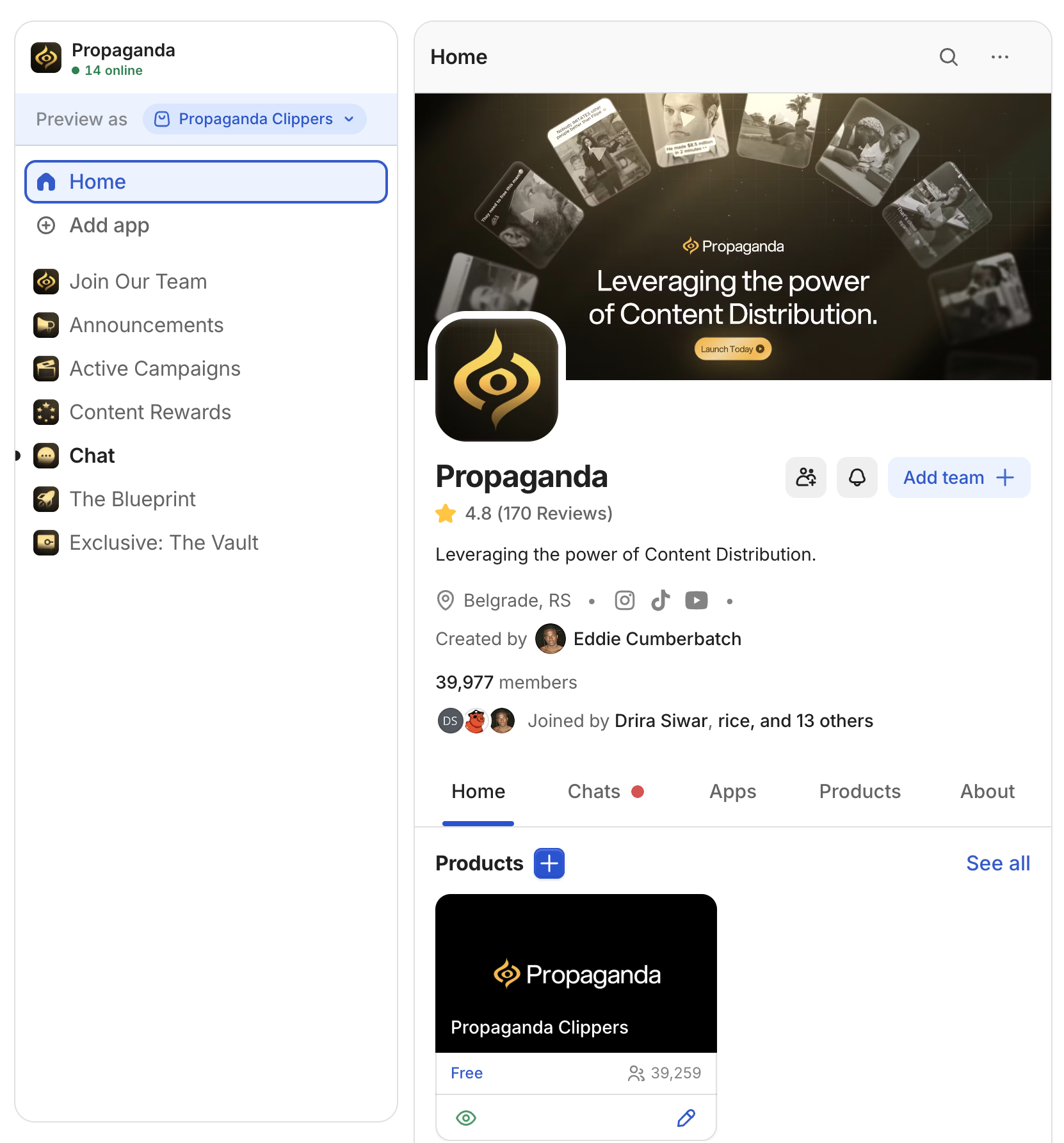
You can’t DM ten thousand people. The community has to answer most questions before a human sees them. If a new clipper asks how to link their TikTok, the answer is four clicks away in the course. On purpose.
6.2 Patience is the job
Most clippers who walk in are brand new. They’ll ask the same question today that someone asked yesterday. A new one will ask it again in a few hours.
That’s not a problem. That is the job.
Lose patience, lose clippers. Lose clippers, lose the network. Lose the network, you have nothing to sell a brand.
Reject with a reason. Approve fast. Tell new clippers when their first few clips are good.
The Mistakes
Everything up to here is the good part. $450k year one. 100,000+ clippers. Five billion views.
I didn’t walk a straight line to get there. I made five real mistakes. Each one cost me money, time, or people. A doc that only shows the wins is a sales letter. Here’s the truth.
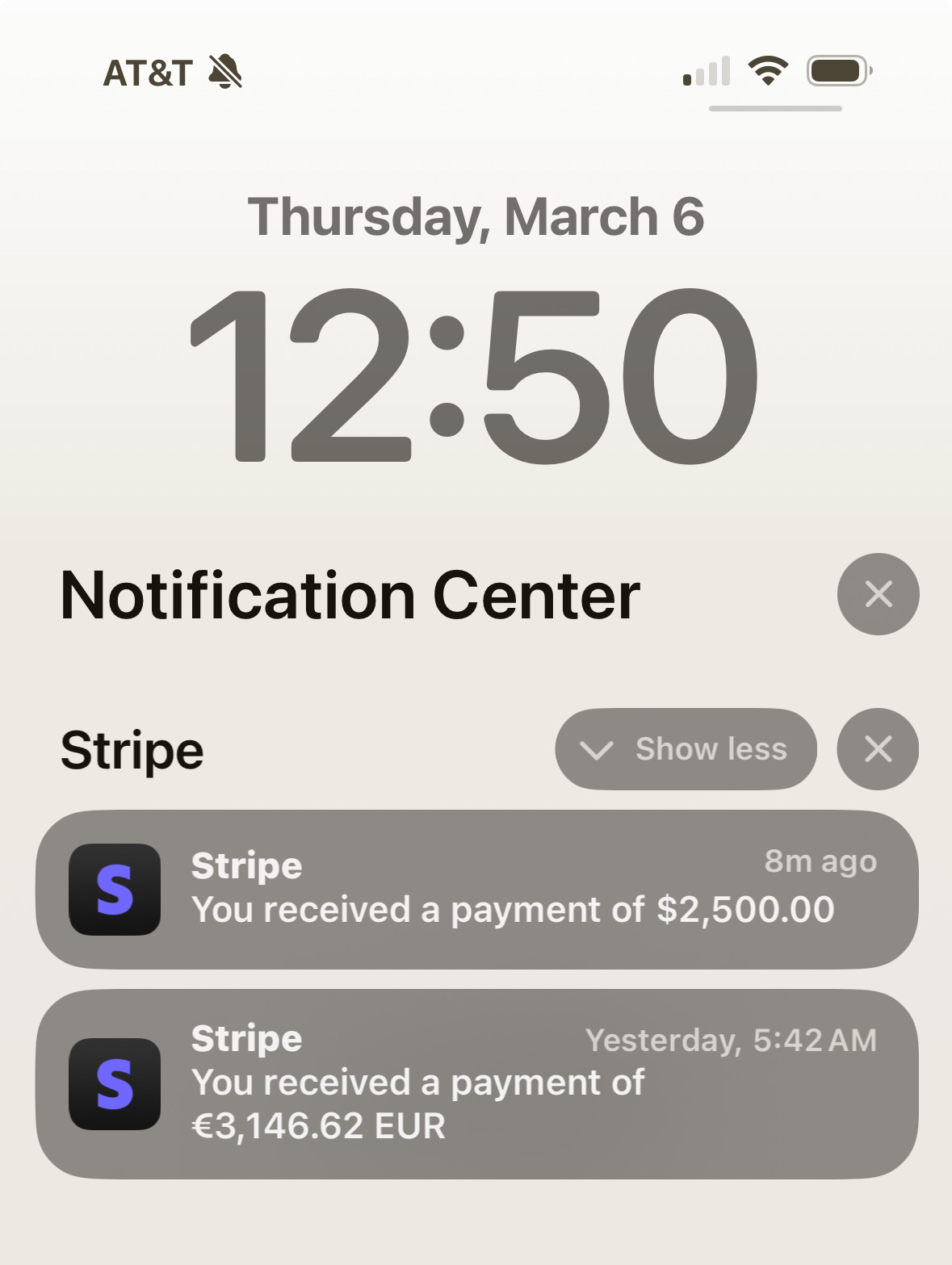
1. I charged too little
What I did: My first paying deal was a flat $2,500/month retainer. Later I bumped it to $3,500. Same mistake. Bigger number.
What broke: - Flat fees put me on the shelf next to freelance editors - My ceiling was how many clients I could run before I burned out - The client had no reason to spend more - I priced a scale model like a service model
What it cost: - A good 6 months where my income couldn’t grow - Budgets that should’ve been $50k/month sitting at retainer money - tons of upside I can’t get back
What I’d do differently: - Percentage. Always. No retainers. No packages. - Charge percentage on client one even if the campaign is $1k - The principle matters more than the first check
2. I took headache clients to hit revenue
In year one I said yes to clients I knew on the call weren’t right. Small budgets. Weird asks. People trying to talk me down mid-call.
What broke: - Small headache clients eat the same hours as real ones - My campaign manager drowned in their submissions
What it cost: - Months of attention on the wrong type of clients - time that could have been spent on clients with unlimited budgets.
What I’d do differently: - Saying no is a muscle. Build it early. - If the first ten minutes feel off, the next ten months will too - Clients I can replace. Time I can’t.
3. I hired before I had systems
What I did: I hit the wall running campaigns, sales, recruiting, and reporting at once. So I hired. I didn’t write any of it down first.
What broke: - You can’t hand off what you never wrote down - New hires made their own calls on things that needed to be the same every time - Clip approval standards drifted - The tone in the clipper chat changed person to person
What it cost: - Time redoing work, retraining, rehiring - Quiet loss of trust with clippers - Retention dropped weeks before I figured out why
What I’d do differently: - Do every role myself first. Long enough to know where it breaks. - Write it down. Then hire. - You hire to multiply yourself. Not to run from the work.
4. My clip approvals got slow
What I did: We signed new clients faster than we scaled the review process. Same pair of eyes. More submissions every day. Approvals went from hours to a full week.
What broke: - Clippers stopped trusting the campaign was real - Submissions dried up in the chat - Clippers hit the discover page and clipped for a faster agency - CPMs didn’t change. Speed did.
What I’d do differently: - Approval speed is the whole game. Fast and plain beats slow and polished. - Clippers don’t need pretty feedback. A clear yes or no. - If I’m the bottleneck, fix that before I take another client
5. I went broad before I niched
What I did: In year one I took any client that would pay. Crypto. E-comm. Creators. SaaS. Music. I thought breadth would prove the service worked anywhere.
What broke: - Case studies stack inside a niche. Not across them. - A crypto win didn’t help me close a music artist - Scattered wins don’t bring in more wins - Word travels in one room, not five
What it cost: - Slower growth on the client side in year one - Referrals took longer because no two clients knew each other
What I’d do differently: - Pick a niche. Close one client. Use that win to close the next. - Let the first three deals sit in the same category - The students who did this grew the fastest. The crypto operator who stayed in crypto. The music operator who hit $100k in deposits in his lane.
One more. This one isn’t mine. My student Isaac closed his first client after following up for five months. Most operators quit after the second or third touch. The money is in the follow-up. Isaac’s version of this mistake is the one I want you to take with you. Don’t stop.
Where Propaganda is now
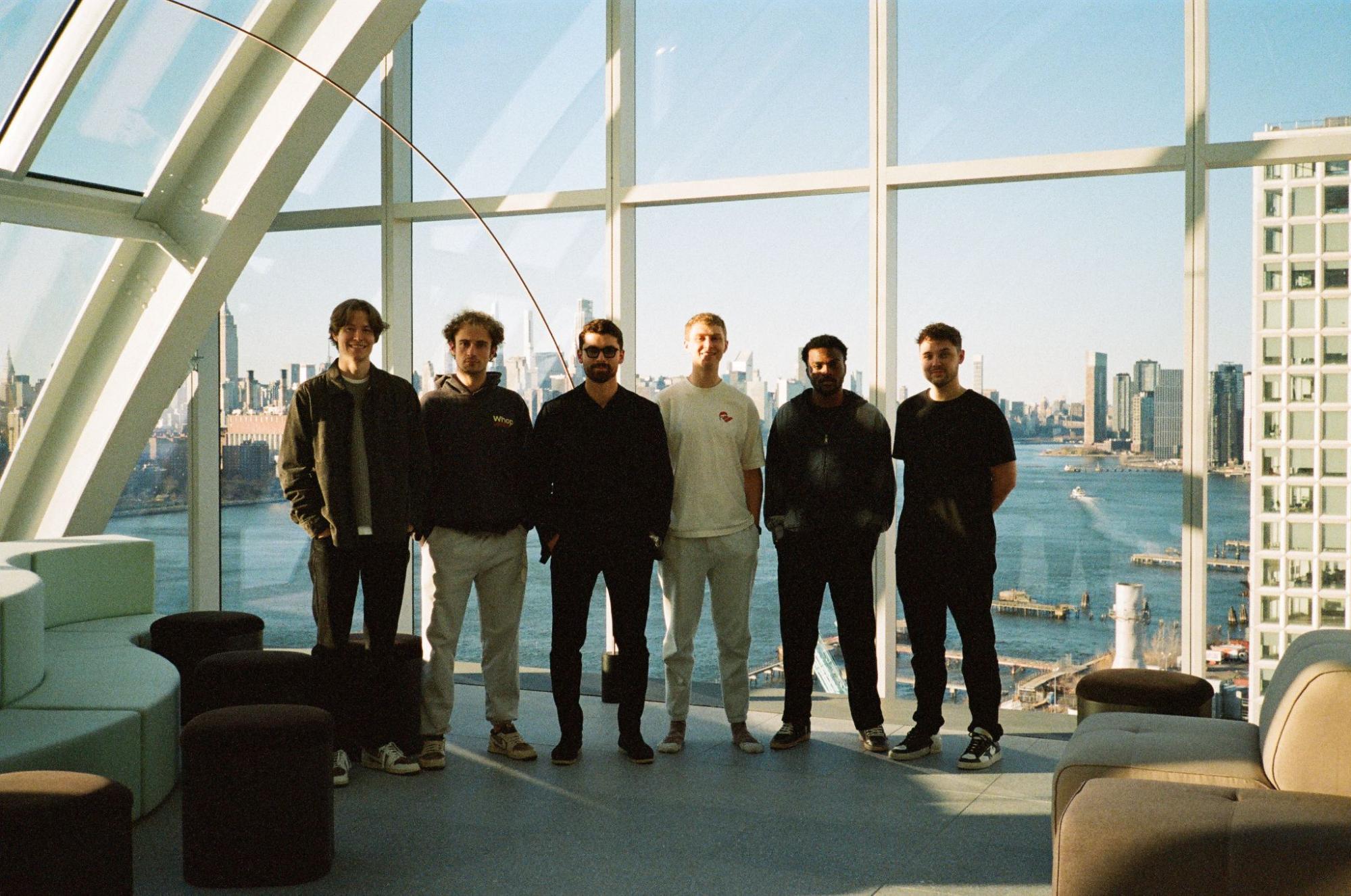
- Five people. Me, Danilo as my co-founder, Chanelle, Raz, Kosta.
- Fully remote. I split time between Dubai and Belgrade.
- The whole thing can run a week without me opening my laptop.
- That wasn’t true a year ago.
Next move is the big-budget tier. That’s when brands stop asking “how much does it cost?” and start asking “how much can you post?” Fewer clients. Bigger drops. More clips out the door. The network is ready.
Where the industry is going
Big business magazines are writing about clipping as a real marketing channel. Not a teen side hustle. A real line on the budget, next to paid ads.
Here’s what I’m watching:
- Facebook Ads: $153M in 2007, $195B today. 1,274x in under 20 years.
- Clipping right now feels like Facebook Ads in 2008.
- Whop Content Rewards is live and paying out.
- Creator economy on track for $480B by 2027.
- YouTube Shorts doing 200 billion views a day.
- A few hundred real clipping agencies worldwide. Should be thousands.
In five years, clipping agencies will be as common as SMMAs were in 2020.
Most will be forgettable. A guy, a laptop, a Discord, no network. They’ll race each other to the bottom on price until there’s no money left, then jump to the next model in 2028.
The ones that last will own a real clipper network. A network that trusts you keeps paying you back.
You’re either a clipper, an agency, or a brand. There is no fourth spot.
The Two Doors
You've seen the model. The money. The clients. The network. The ops. The mistakes.
Now it's your turn. Two doors. One is cheap. One is free.
But before you even look at them, I need to explain why either of them exist — because the honest answer is they almost didn't.
Want access to my clipping agency coaching program for free?
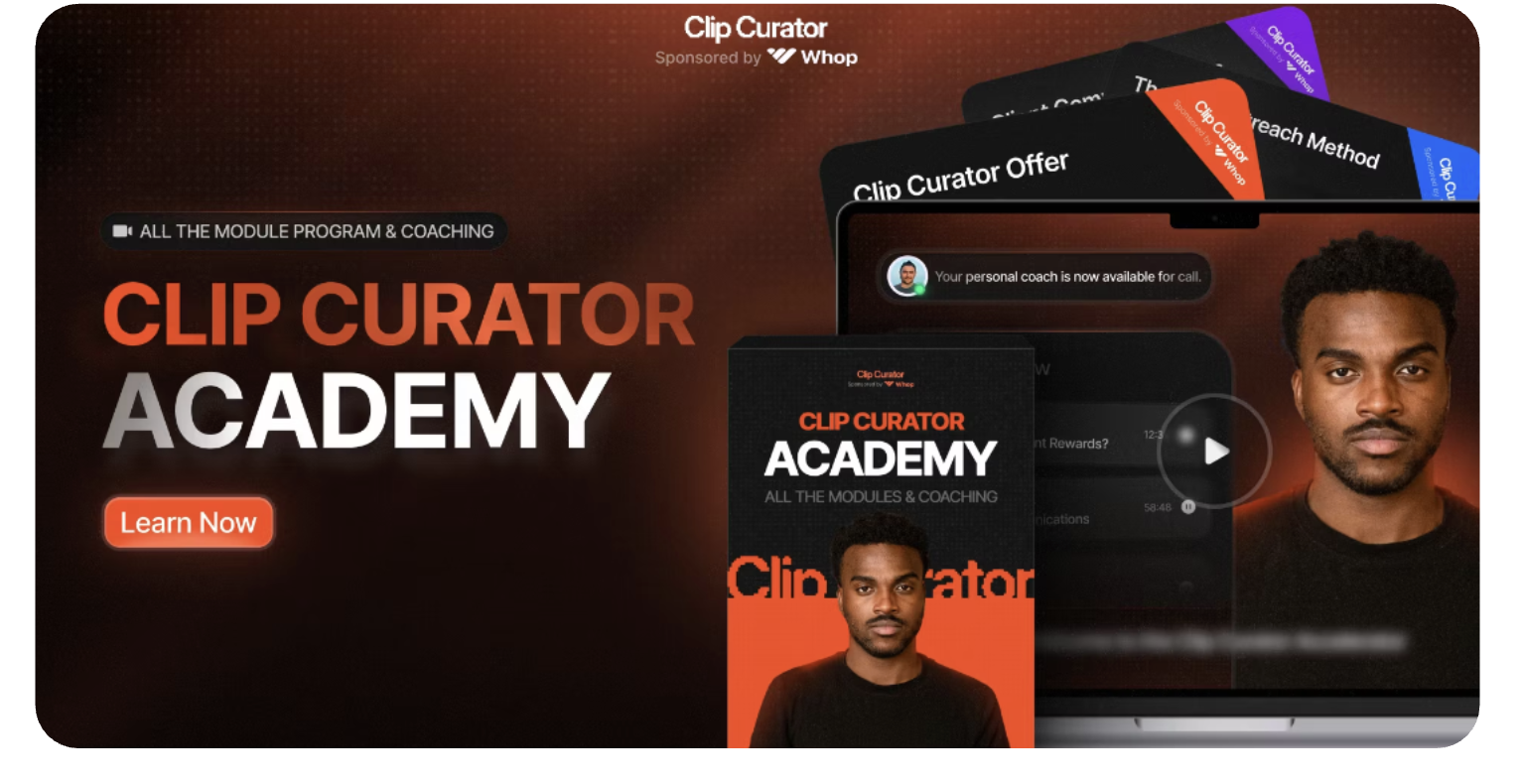
I had a clipping agency coaching program. I shut it down.
Not because it didn't work. It worked. People were signing up, getting clients, building real agencies. That wasn't the problem. The problem was me. I didn't want to be another guy on the internet selling a course.
I think it's genuinely wack to sell a course — especially when the actual business you're teaching is the business you're supposed to be running. Most "agency coaches" out there aren't running agencies anymore. They're running course businesses pretending to run agencies. They made more money selling $2k programs than they ever did running campaigns, so they quietly pivoted and kept the same intro video up.
I didn't want to be that. I was actually running Propaganda Media. I was making real money from real clients. I didn't need another income stream. So I killed the program. And focused on scaling the agency. Clean. Done. Moving on.
Then Daniel Bitton and the Content Rewards team at Whop reached out.
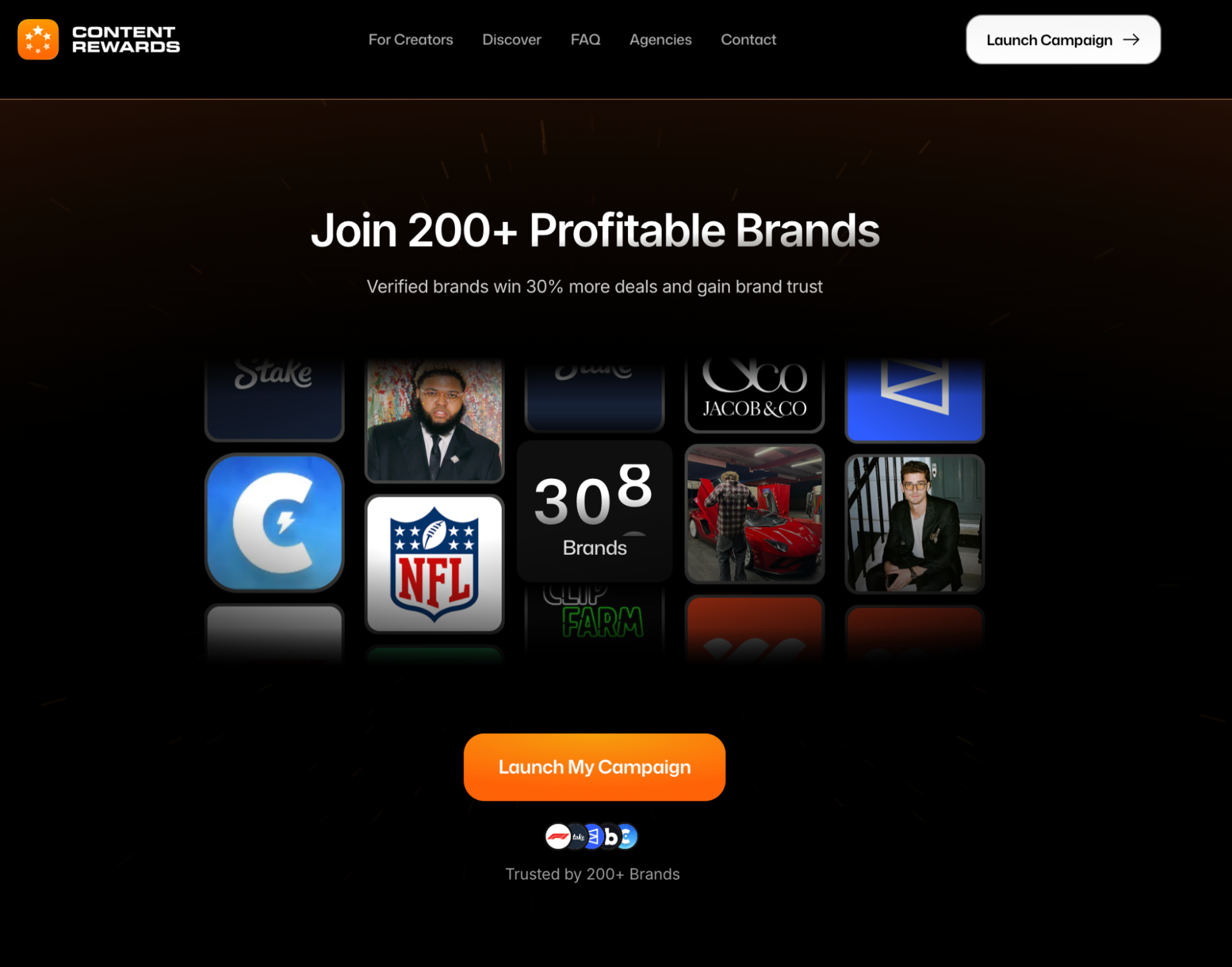
They had a problem — and it's a real one, not made up for marketing. Every single day, more people were signing up to start clipping agencies on the platform. The demand was exploding. Brands were pouring money into short-form clipping. But most of the agencies that were popping up were bad. Like actually terrible. They didn't know how to close brand deals. They didn't know how to structure campaigns. They didn't know how to pay clippers on time. They didn't know how to QC clips before they went live. They were burning brands, burning clippers, and burning their own reputations in real time.
And when agencies suck, the whole industry suffers. Brands get burned and leave the space. Clippers stop trusting the model. Whop's ecosystem slows down. The entire creator economy around clipping takes a hit.
Daniel basically told me: we need you to bring it back. Not because I needed the revenue. Because the industry needed operators who actually knew what they were doing, or the whole thing was going to collapse on itself.
I sat on it for a while. I kept landing in the same place — I wasn't going to sell a $3k course. That's not what I do. But there had to be a way to get the knowledge into the hands of serious people without turning into another coach on the timeline.
That's when I started talking to Wix. Then Base44. And that's how this scholarship got built.
The Partnership – How the Scholarship Works
Here's the deal I landed on with Wix and Base44.
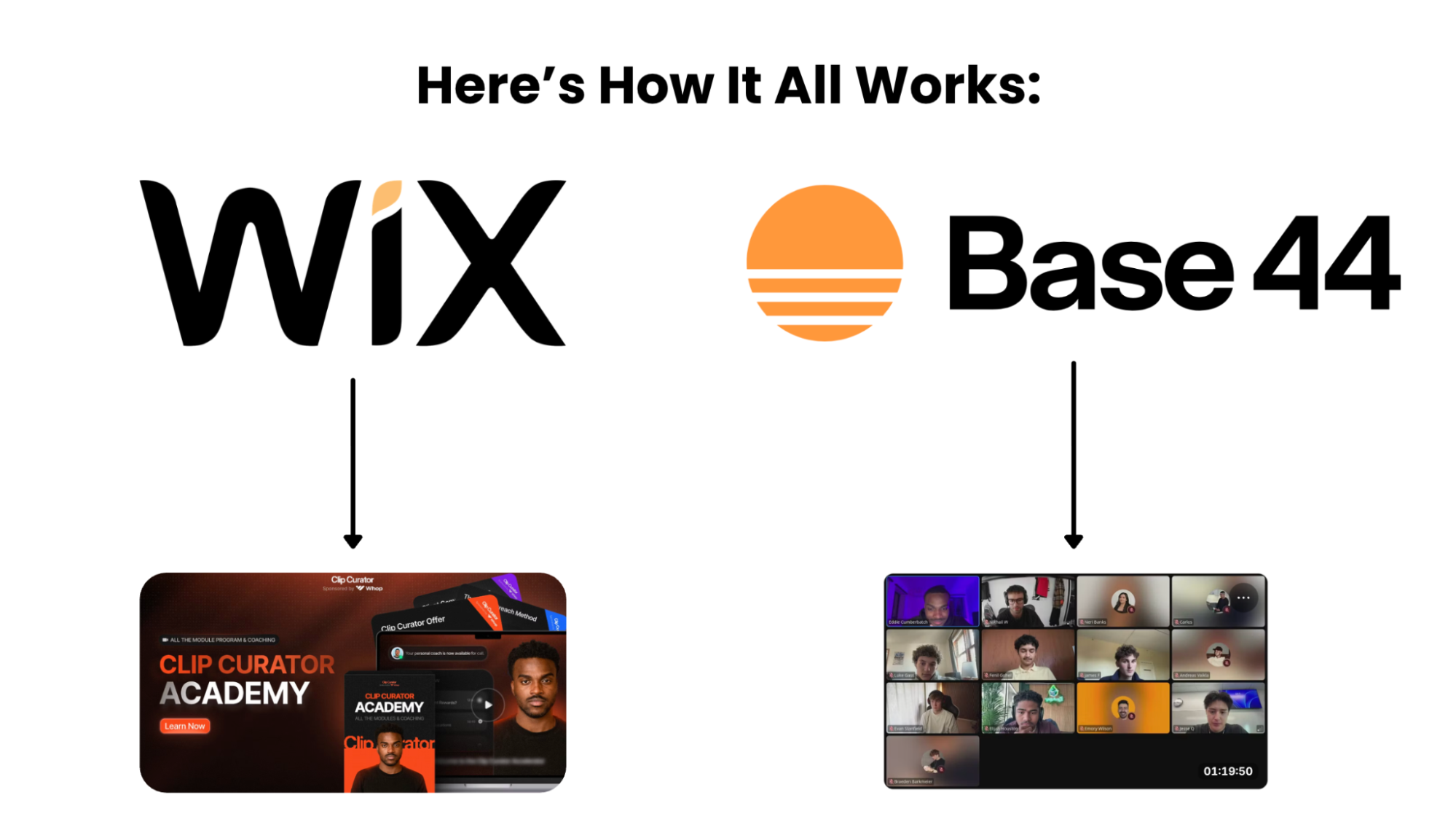
Every clipping agency needs the same two things to actually run as a business. Not wants. Needs.
1. A landing page and professional web presence. Brands don't sign $10k deals with someone whose only proof is a Linktree. You need a site. You need email at a domain. You need to look like a real company because you are one.
2. Internal operations tools. The moment you have more than 2-3 clients, your ops get complicated. Tracking clippers, tracking views, tracking payouts, managing approvals, running campaign dashboards. If you try to do this in spreadsheets, you'll cap at 3 clients and burn out.
So I went to Wix. Showed them the model. Showed them what agencies actually spend on web infrastructure once they scale. They got it immediately — because every agency on my program is going to use Wix for their landing page anyway. Instead of paying for ads to acquire customers, Wix would rather give real operators a reason to build on their platform and stay for years.
Then I went to Base44. Same story. Base44 is an AI app builder — you can spin up internal tools (CRMs, clipper dashboards, payout trackers, approval queues) without hiring a developer or stacking $500/mo SaaS tools. Every serious agency needs this. Base44 wanted real operators using the product.
Here's what we landed on:
If you sign up for Wix and Base44 through my partnership links, Wix covers the cost of the Clip Curator Accelerator for you. Full program. Full access. Same $3,000 program I built out with the Content Rewards team at Whop.
Your only cost is Wix + Base44, which you were going to need anyway to run this business.
$24/mo (Wix) + $20/mo (Base44) = $44/mo total.
Normally the program is $3,000.
That's roughly 98.5% off. $3,000 → $44. Not a typo. Not a launch discount. This is the partnership structure. It stays $44 as long as you keep the tools active.
---
Door 1 – The Scholarship
The Clip Curator Accelerator is the program I built with the Content Rewards team at Whop. It's the HOW behind everything you just read in this doc. It's not theory. It's the exact system I run inside Propaganda Media, rebuilt for someone starting from zero.
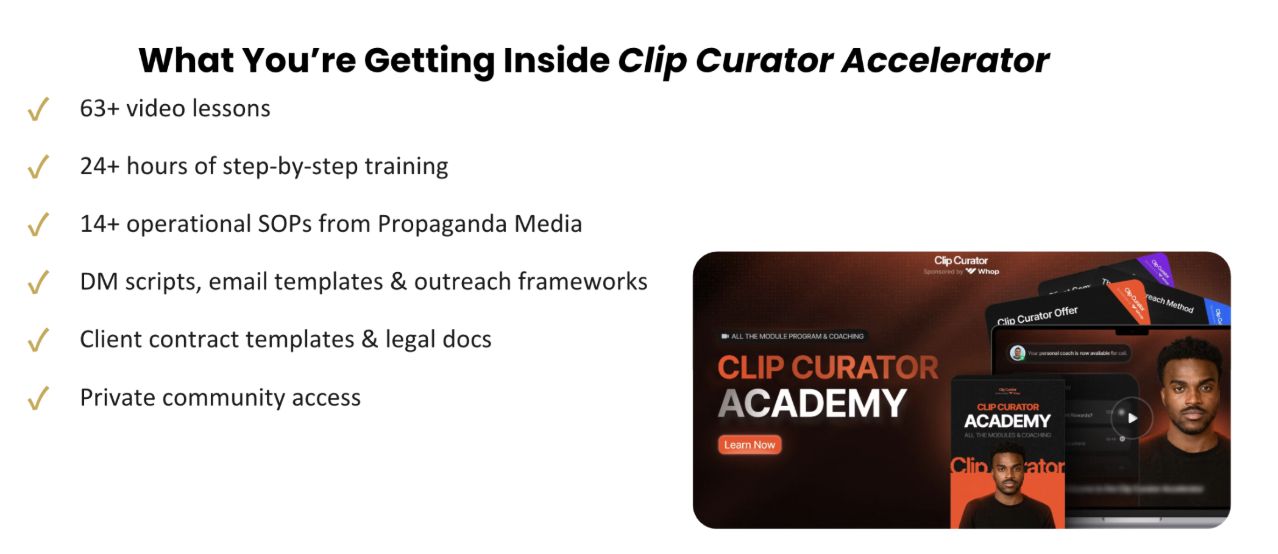
- The client acquisition playbook I use to close $10k–$50k/mo budgets
- Cold outreach scripts, DM templates, and email sequences that actually land meetings
- Campaign launch SOPs — how to go from signed client to live campaign in 72 hours
- Campaign management system — how to run 10+ active campaigns without losing your mind
- Clipper recruitment scripts, vetting process, and the exact network I've built
- Deal structure templates — CPM deals, flat rates, performance bonuses, retainers, hybrid models, and how to price each one
- The full ops stack I use inside Propaganda Media (tools, workflows, automations)
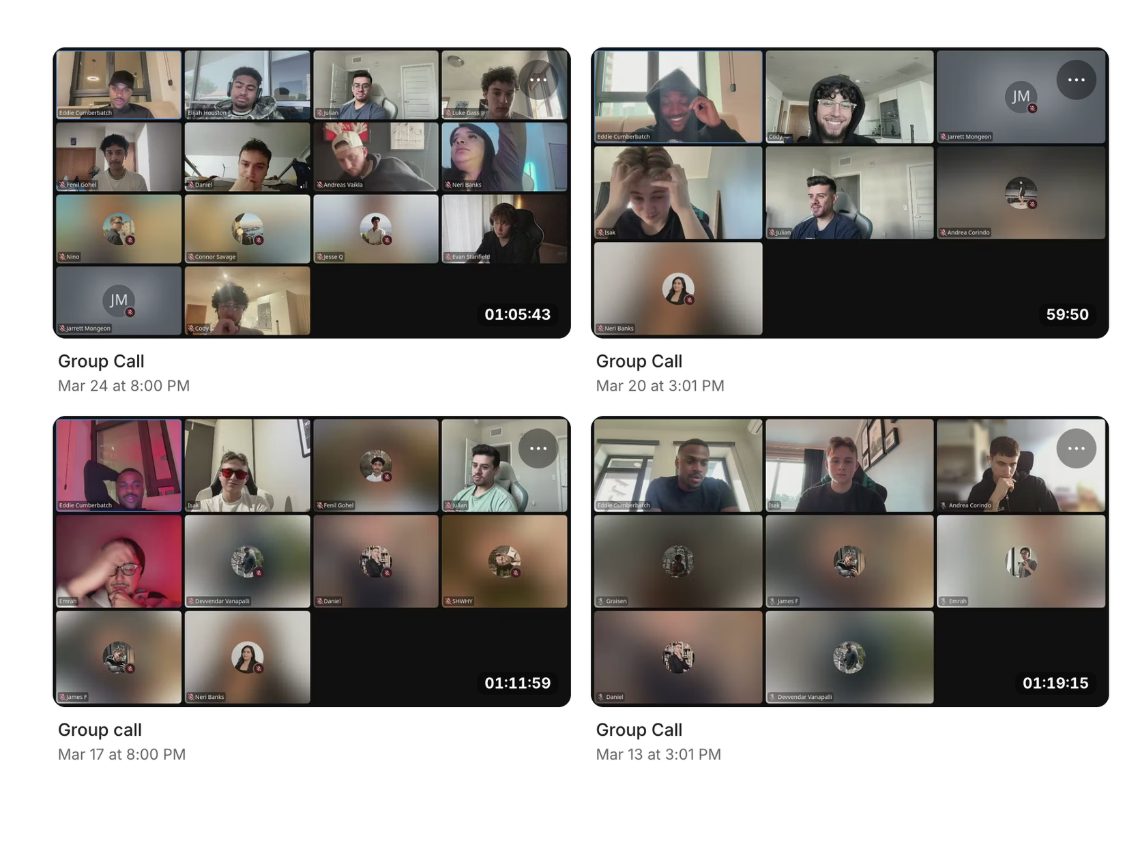
- Weekly coaching calls with me and Danilo
- Private community of operators actually running real agencies, not aspiring to
- 24/7 support when you're stuck on a client call, a campaign issue, or a deal negotiation
What You Get With Wix ($24/mo)
- Full landing page to pitch brands — the first thing they'll click after your cold email
- Client intake forms, discovery call bookings, and contract delivery
- Payment collection for deposits and monthly retainers
- Portfolio hosting for your best clips, case studies, and brand logos
- Email at your own domain so cold outreach doesn't go to spam and you actually look like a real company
What You Get With Base44 ($20/mo)
- Access to the weekly coaching calls inside the program
- AI app builder to create your internal agency ops tools without hiring a dev
- Custom dashboards for tracking client acquisition and agency stats.
Normal cost of the program: $3,000
Scholarship cost through the partnership: $44/month
How to Claim the Scholarship
Sign up to both platforms through the links below. You need both tools active for the scholarship to unlock everything. As soon as you do, I get a notification and manually approve you into the Accelerator within 24 hours.
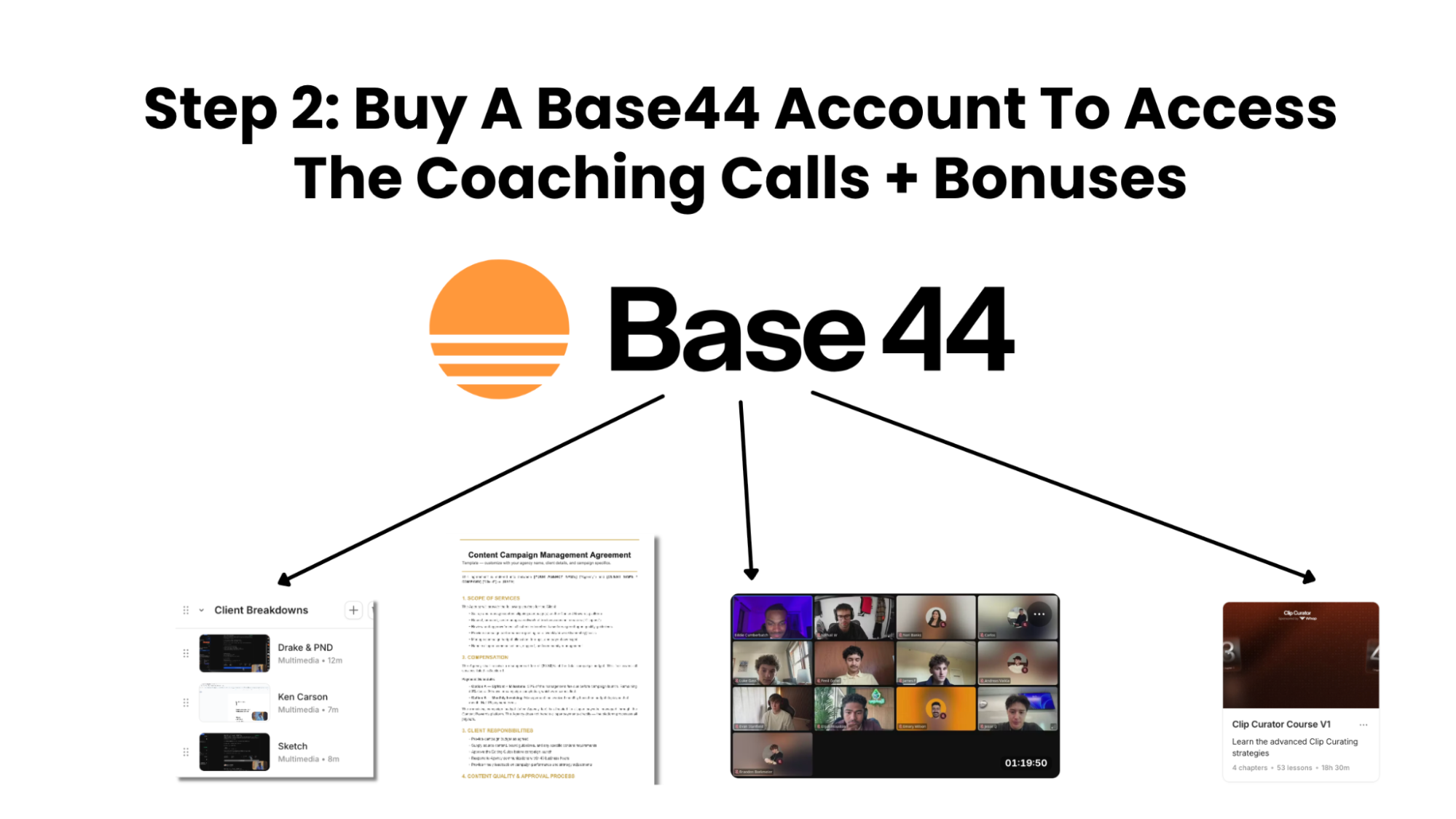
CLAIM YOUR SCHOLARSHIP AND GET ACCESS TO MY $3000 PROGRAM FOR FREE NOW
$44 a month. Both tools. Full Accelerator access. Weekly coaching calls with me and Danilo included.
---
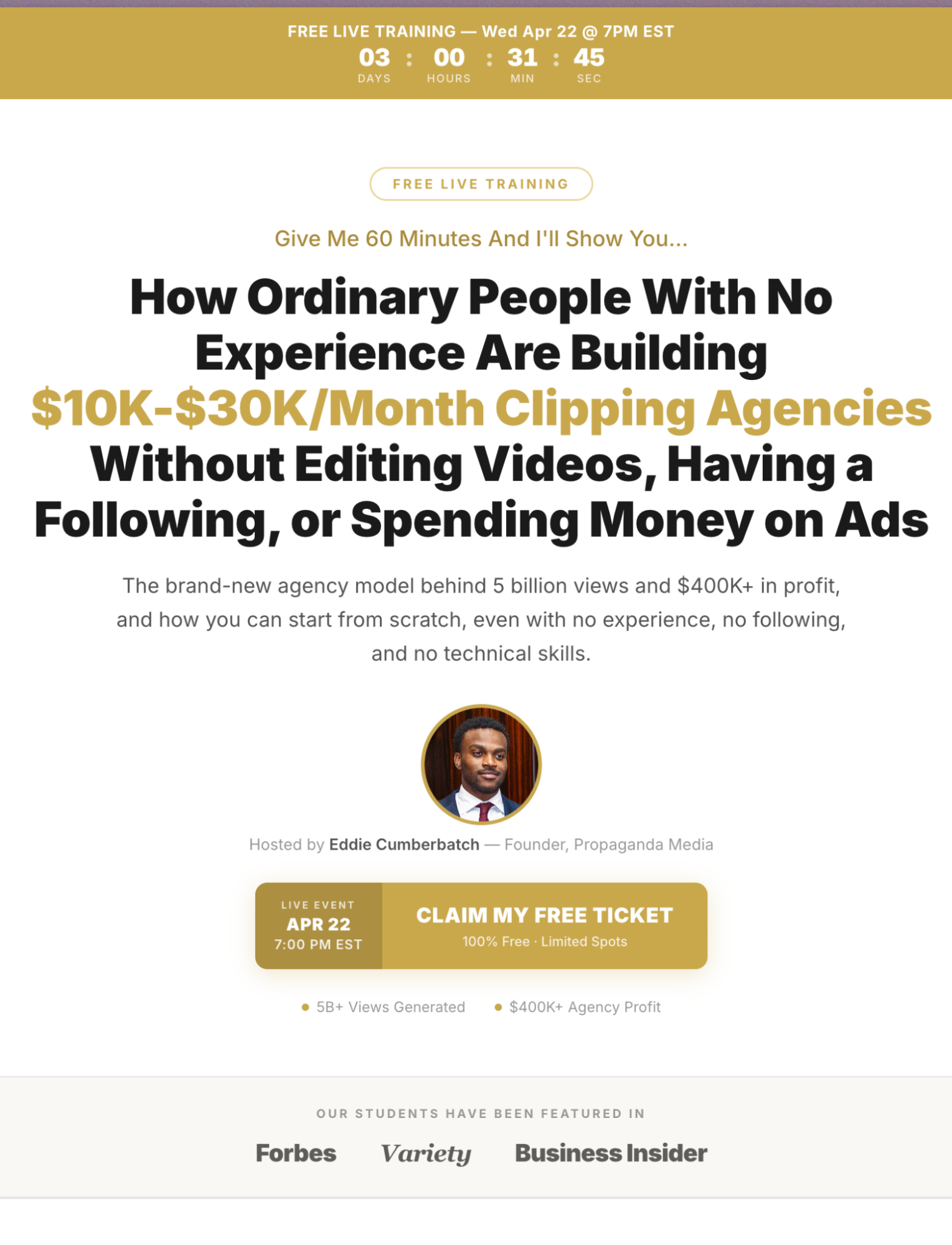
Door 2 – The free live class
Free. I run it live. Come hear me walk through all of this in person, and ask me anything.
Three things the class gives you that this doc can't:
- Live Q&A — bring your spot. Your industry, your budget, niche or broad, warm network or dead one. The questions other people ask are worth the hour on their own.
- Fresh monthly data — I update the class every week with new industry strategies, numbers, live CPMs, and case studies from right now. This doc freezes the day it ships. The class doesn't.
- Real-time decision making — watch me break down actual deals, actual outreach, actual campaigns that are running this week. Not theory. Not last quarter. Right now.
CLICK HERE TO REGISTER FOR THE FREE CLASS:
For Brands
→ Running a brand and want clipping done for you, not taught? That's my agency.